Huțul shepherd woman preserves traditional pastoral culture in Maramureș
Headline and summary by local AI
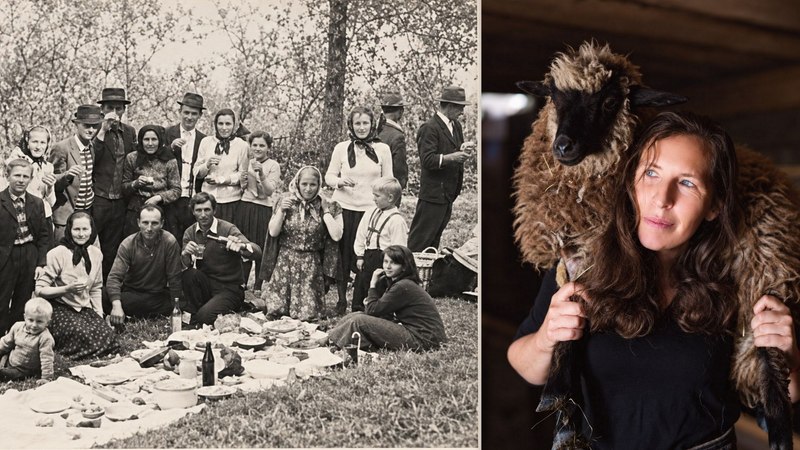
Livia Mascaliuc maintains a traditional pastoral lifestyle in Bistra, a village in the Maramureș region of Romania.
She belongs to the Huțuli, an East Slavic community in the Carpathian Mountains whose cultural identity is deeply tied to mountain life and livestock farming. Mascaliuc began her life in the hills at age 6, working alongside her family to tend to sheep, cows, and goats.
Her father served as a mountain host for 24 years, a role that involved organizing the community's mountain pastures and ensuring the safety of the livestock. The Huțuli pastoral tradition differs from other regional practices because it focuses on local mountain pastures rather than long-distance migration. The community follows specific rituals, such as the Mira festival, where a priest blesses the fold and the animals. Historically, the village operated on a strict system of shared responsibility.
A mountain host recorded the exact amount of milk produced by each owner in a notebook to determine the fair distribution of cheese. Shepherds were held strictly accountable for any lost animals, often having to pay for the full value of a sheep if they could not prove it was lost to a predator. While the tradition is fading as younger generations move abroad for work, Mascaliuc continues the practice by raising her two daughters in the mountains.
She manages a household of nearly 100 sheep and over 20 cows. To balance tradition with modern life, she uses electric fencing and solar-powered surveillance cameras to monitor the animals. This allows her to preserve her cultural heritage while spending more time on her goal of writing and documenting local folklore.
Selected and summarized by local AI How we work