Recycled shells restore Florida reefs and boost marine life
Headline and summary by local AI
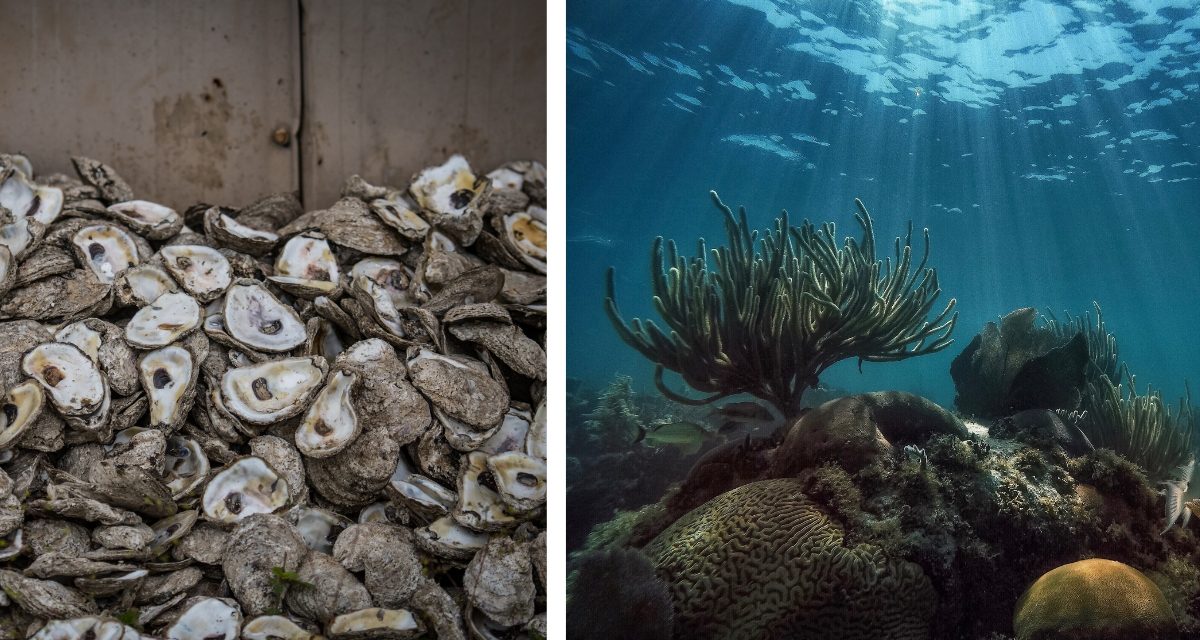
The Coastal Conservation Association of Florida dumped over 500,000 tons of recycled oyster and clam shells into the Gulf of Mexico between 2007 and 2024.
The organization collected these shells from seafood restaurants and processing plants to rebuild a struggling marine ecosystem. Critics initially viewed the project as reckless dumping, and researchers expressed doubt when the seafloor showed no immediate visible progress. However, the shells began to function as a foundation for new life.
Bacteria attached to the discarded shells to create a biofilm, while the disintegrating shells released calcium to create chemical microzones for underwater organisms. The solid surfaces provided by the shells allowed baby oysters to attach and grow, which they then used to filter the water and prevent harmful algae blooms. This restoration helped revive populations of fish, turtles, and dolphins to levels not seen in over 25 years.
The success of the project has prompted researchers in North America, Europe, and Australia to study how natural materials can rebuild degraded marine environments.
Selected and summarized by local AI How we work
More in Recovery

Solar grazing with two sheep per hectare boosts bee populations in New York
noticiasambientales.com · 12 Nov 2026

Dam removal projects restore fish migration and nutrient cycles in the United States
therevelator.org · 9 Nov 2026

Basanti Devi organizes women to restore Uttarakhand's Kosi River
thelogicalindian.com · 4 Nov 2026