A resident's illegal curb cuts led to new rainwater laws in Tucson
Headline and summary by local AI
Brad Lancaster illegally sawed through a street curb in Tucson, Arizona, in 1998 to divert rainwater into the soil.
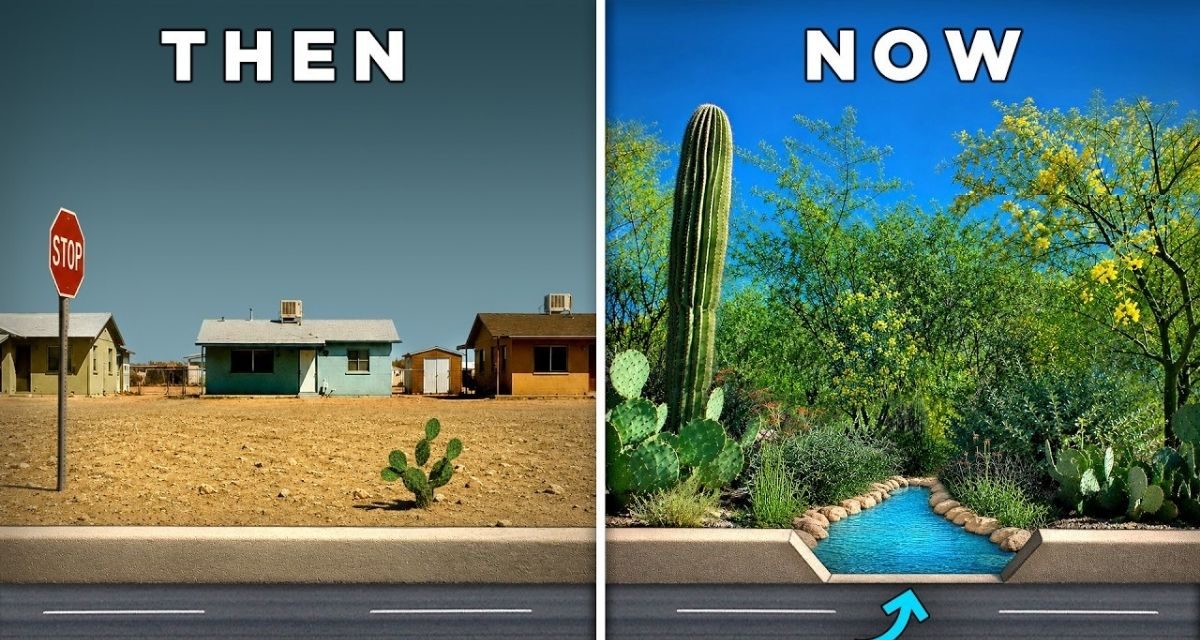
Lancaster created six channels in the curb to move water into the space between the street and the sidewalk. This action prevented rainwater from flowing into storm drains and instead directed it toward native trees and plants. Although the act was illegal at the time, city officials did not notice for three years until Lancaster voluntarily informed them of his work.
His efforts created a landscape of basins that support edible plants and provide cooling shade for the neighborhood. The city of Tucson relies on the Colorado River and underground aquifers for 90% of its drinking water. Lancaster used ancient water management techniques, similar to those used by Indigenous people in the Sonoran Desert, to capture the limited rainfall the region receives. His project demonstrated how urban areas can transition into thriving ecosystems by mimicking natural water cycles.
Tucson Water eventually adopted these methods through a green stormwater program called Storm to Shade. The city now offers residents rebates of up to $1,900 for rainwater harvesting systems and requires new commercial properties to include these features in their designs. Blue Baldwin, the program manager, credited Lancaster for pioneering the techniques that the city now uses as standard construction documents for contractors.
Selected and summarized by local AI How we work