Man’s curb cuts prompt Tucson to embrace rainwater
Summary and headline written by AI from the source article. How we work
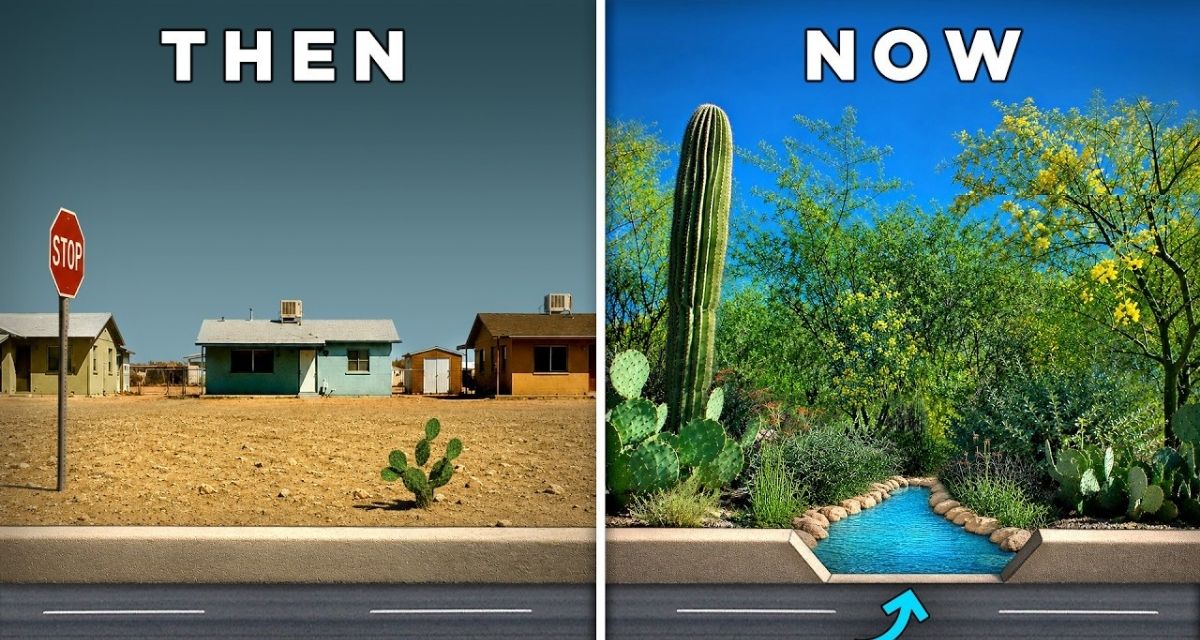
In 1998, Brad Lancaster of Tucson, Arizona illegally cut channels into the street curb in front of his home to redirect rainwater.
Lancaster wanted to efficiently water plants and trees in the dry climate, but city laws prohibited altering the curb. For three years, officials did not notice the changes until Lancaster informed them of his actions. Lancaster demonstrated to permaculture expert Andrew Millison how these curb cuts and subsequent roadside basins captured rainwater, supporting native and edible plants.
He transformed both his property and public land into a “rain-irrigated food forest street,” providing shade and food for the community. This practice mirrors ancient water management techniques used by Indigenous people in the Sonoran Desert, who built canals and earthworks to conserve water. Lancaster’s initiative eventually led to significant changes in Tucson’s policies. The city established Storm to Shade, a department dedicated to rainwater harvesting and tree planting.
Now, Tucson offers homeowners $2,000 rebates for installing rainwater harvesting basins and requires new construction to incorporate these features. Blue Baldwin, program manager for Storm to Shade, credits Lancaster with pioneering the work that the city has now institutionalized with detailed construction guidelines.