An archaeology student discovered a lost Maya city through a Google search
Headline and summary by local AI
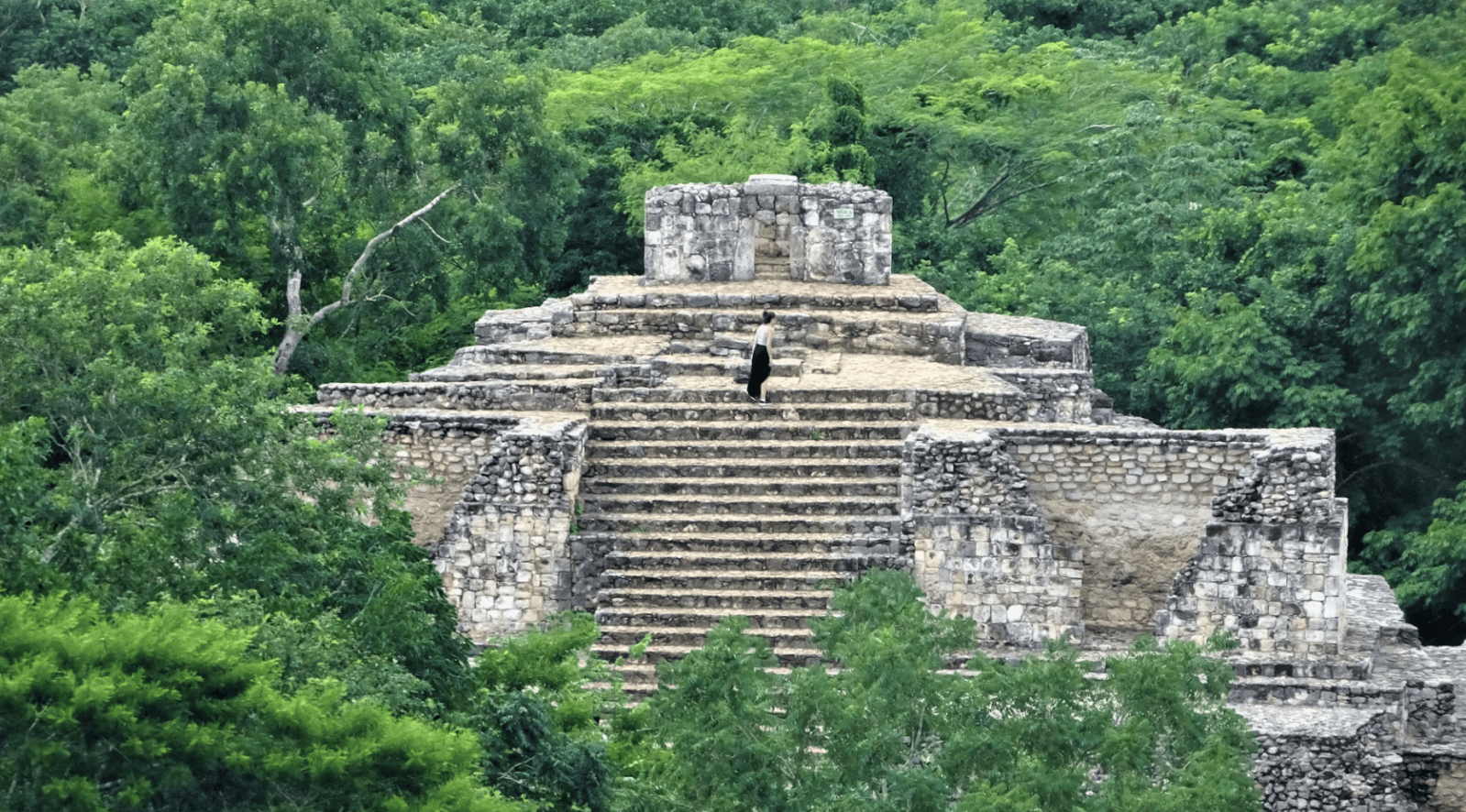
Luke Auld-Thomas, a former PhD student at Tulane University, identified an ancient Maya city in the southeastern Mexican state of Campeche by browsing online search results.
While searching the internet, Auld-Thomas found a laser survey originally conducted by a Mexican organization for environmental monitoring. The data, which had been sitting online, contained a map of a hidden metropolis that had remained covered by forest for centuries. Auld-Thomas and a colleague named the site Valeriana after a nearby lagoon.
The city likely served as a capital and could have housed between 30,000 and 50,000 people at its peak between 750 and 850 AD. Researchers identified more than 6,500 structures in the area, including pyramids, causeways, and ball courts. This discovery suggests that tropical regions supported dense, sophisticated urban centers rather than being uninhabited wilderness. The discovery relied on LiDAR, a mapping technique that uses aircraft to fire laser pulses to measure ground distances.
This technology allows researchers to digitally remove tree cover from data to see man-made structures underneath. While the team has mapped the city digitally, they have not yet visited the site in person to take photographs. Researchers plan to conduct further fieldwork and hope for more funding to expand drone-based mapping in the coming years.
Selected and summarized by local AI How we work
More in Discovery
Researchers use regional archaeology to reconstruct ancient psalm performances
biblicalarchaeology.org · 5 Nov 2026
Scientists find remote coral atolls with intact marine ecosystems in the Pacific
sciencealert.com · 11 Nov 2026
Archaeologists open Roman sarcophagus sealed with lead in Budapest
n1info.ba · 13 Nov 2026