Tuition-free university reaches 200,000 students globally
Summary and headline written by AI from the source article. How we work
Shai Reshef launched the University of the People (UoPeople) in 2009 to provide tuition-free higher education to students worldwide.
Reshef began developing the idea after noticing the rise of online learning platforms and the availability of open-source educational resources. UoPeople now operates in over 200 countries and territories, serving more than 200,000 students, including over 17,000 refugees and 17,500 internally displaced persons.
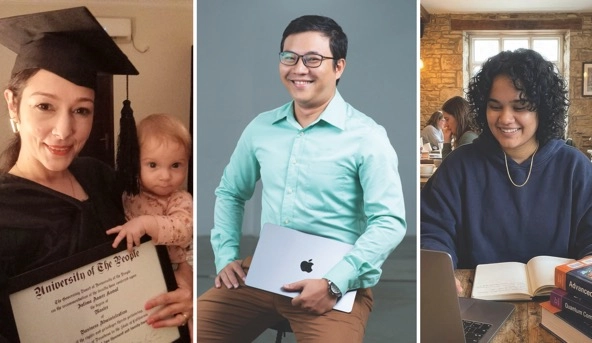
The university keeps costs low by operating as a nonprofit and charging only small fees for application and exams. While students are encouraged to contribute $180 per course, over 75 percent pay nothing at all, relying on grants and scholarships. This model enables access for students facing financial hardship and instability, such as Annabella Penna, a student who moved to the United States from Venezuela. UoPeople prioritizes maintaining academic standards.
Prospective students must be at least 16 years old and have completed high school or equivalent, while faculty require a master’s degree and online teaching experience. In February 2025, the Western Association of Schools and Colleges Accrediting Commission granted UoPeople accreditation, offering the same recognition as institutions like Stanford and Berkeley. The university’s success prompts questions about why other institutions haven’t adopted a similar model to expand access and lower costs.