Global Restoration efforts bring gains for land, forests, and communities
Summary and headline written by AI from the source article. How we work
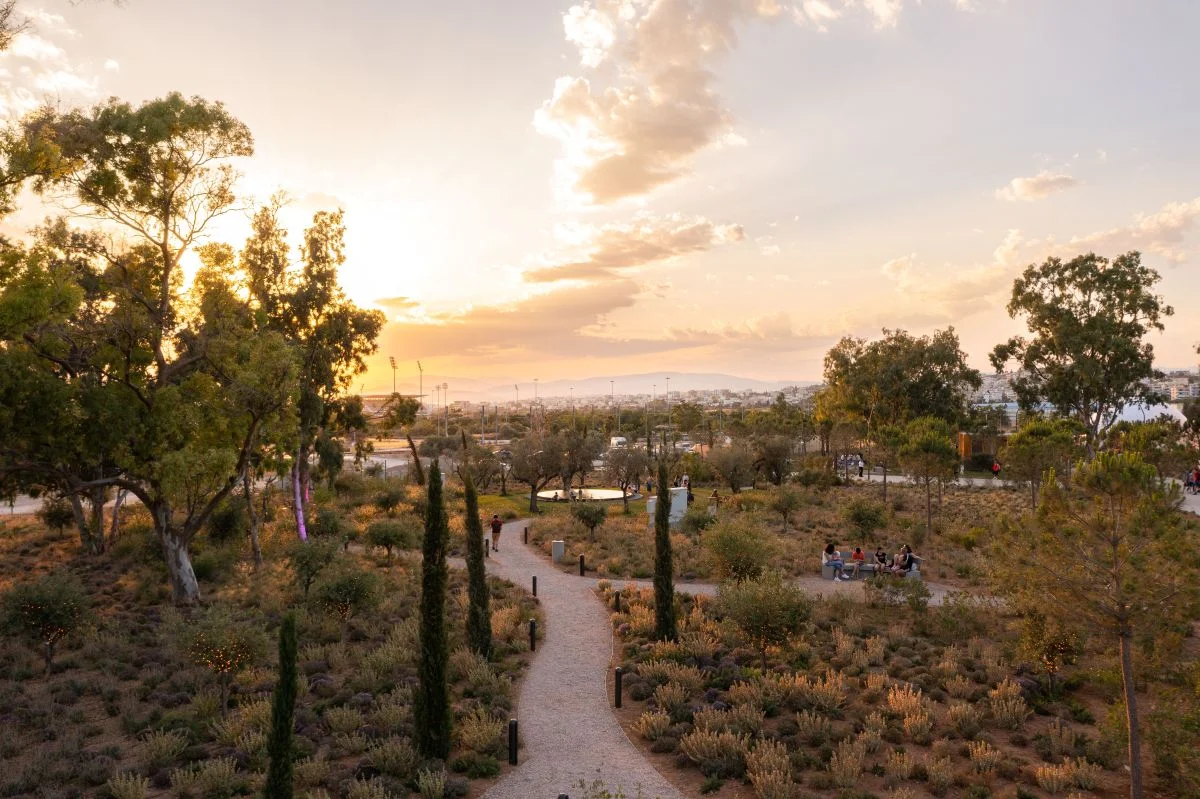
Greece is transforming a former airport near Athens into The Ellinikon, a 620-hectare park intended to become one of Europe’s largest urban green spaces, planting over 30,000 trees and three million shrubs.
Saudi Arabia’s National Greening Programme received recognition from the United Nations for its work restoring degraded land.
The programme has planted more than 159 million trees and revived nearly one million hectares of habitat, bringing back animals like gazelles and the Arabian oryx, while also working to combat drought and desertification. In South Korea, forests have rebounded dramatically since the Korean War. By 2020, the country’s forests contained approximately 29 times more wood per hectare than they did in 1953, following decades of government-led reforestation efforts.
Panama is also working to protect its marine life, training fishing crews to safely release sharks and rays caught in nets and considering legislation to conserve these populations. Canada’s Fisheries and Oceans department recently declared the Northern cod stock in Newfoundland and Labrador as “healthy” for the first time in over 30 years, raising the commercial quota by 55%.
Argentina launched the Tren Solar de la Quebrada, a 42-kilometer solar-powered train that connects six towns in the Andes mountains, reducing emissions and boosting tourism. These initiatives, alongside programs supporting women experiencing homelessness through music and training conservationists, demonstrate a global push towards environmental and social restoration.