South Korea dramatically reduces food waste with New system
Summary and headline written by AI from the source article. How we work
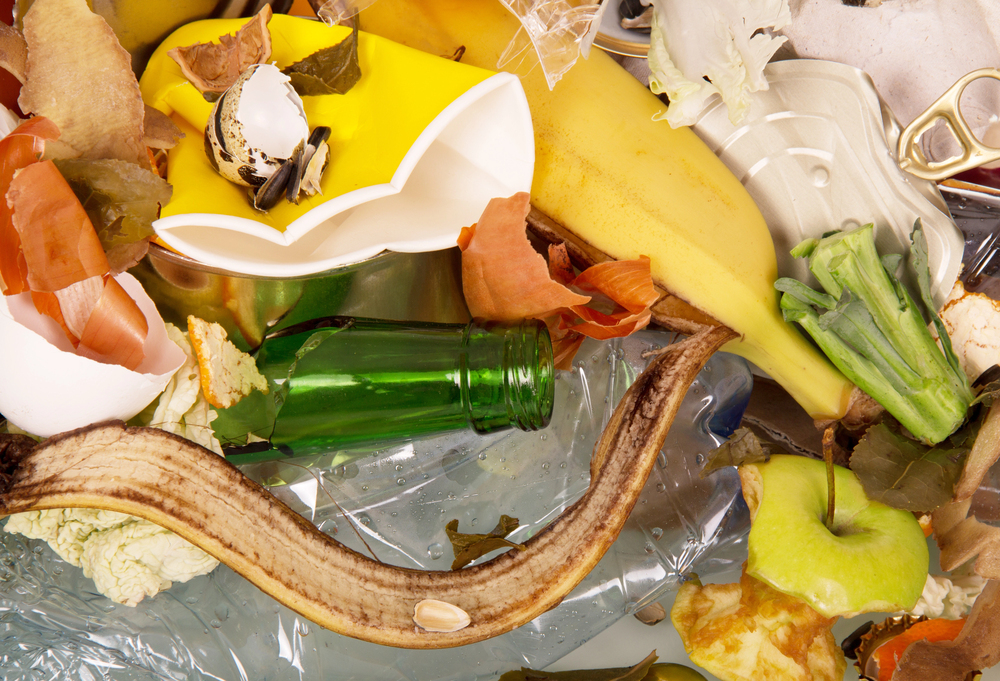
In South Korea, Seunghwan Hong and millions of other residents now pay for the amount of food waste they discard, contributing to a national recycling rate of nearly 97 percent.
In 1996, the country only recycled 2.6 percent of its food waste. Over three decades, South Korea implemented a series of policies including volume-based fees, required separation of food waste, a ban on landfilling it, and the introduction of RFID smart bins that weigh discarded food and charge residents accordingly.
These bins are now used by over 8.61 million households across the country. The system incentivizes people to reduce waste, and also allows facilities like the Daejeon Bio Energy Centre to convert up to 75 percent of collected waste into energy for around 6,000 homes each day. The South Korean government projected the system would displace around $170 million worth of fossil fuels by 2026, despite the $430 million annual cost of managing the waste.
New York City began requiring residents to separate food waste in October 2024, looking to South Korea as an example. While NYC has installed smart composting bins and engaged in public outreach, the city only processed about nine percent of the 1.5 million metric tons of residential organic waste generated in 2025. Experts believe the key difference is that New York City does not currently hold individuals financially accountable for the amount of food waste they produce.