Offshore wind turbines create unexpected reef habitats

Summary and headline written by AI from the source article. How we work
Engineers installing wind turbine foundations off Long Island, New York, unintentionally created new habitats for marine life.
In 2025, workers drove steel cylinders into the seabed to support Empire Wind 1’s turbines. Researchers studying a similar wind farm off Taiwan, Formosa Wind Farm, observed that the turbine foundations quickly attracted reef-associated fish.
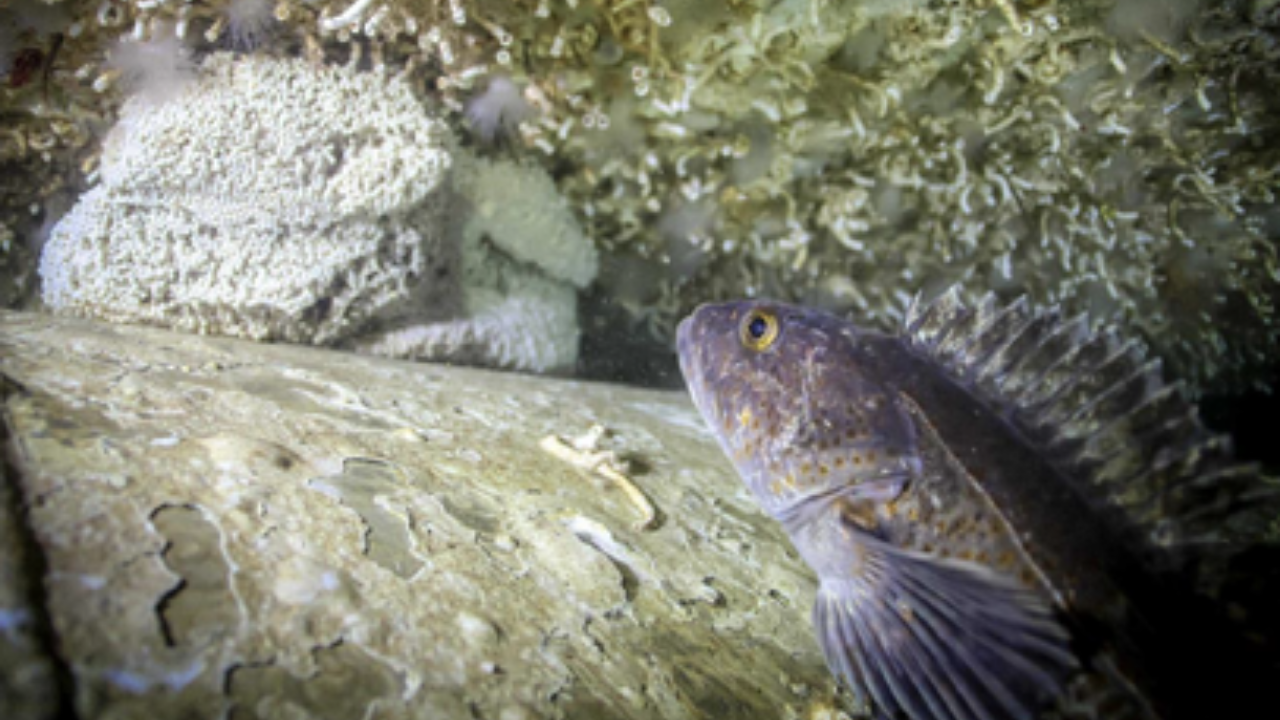
The steel structures and rock layers around their bases provided stable surfaces for invertebrates like mussels and barnacles to attach and grow, forming the base of a new food web. Over eight years, Formosa’s turbine foundations transformed from bare sand into communities resembling mature reefs, attracting 86 species of reef fish within 50 meters of the structures. Researchers are now studying whether these foundations create entirely new marine ecosystems or simply concentrate existing fish populations.
Early data from Block Island Wind Farm, the first US offshore wind project, shows similar patterns, with dense mussel growth and high fish density around the foundations within four years. Scientists at South Fork and Revolution Wind sites are collecting Jonah crab samples to gather more data, but results are not yet available. The specific composition of these new reef communities may differ from existing reefs, and their long-term development remains to be seen.