Indigenous representation in the United States Congress reaches New highs
Headline and summary by local AI
Indigenous women and men across the United States won more than 180 public offices during the recent midterm elections.
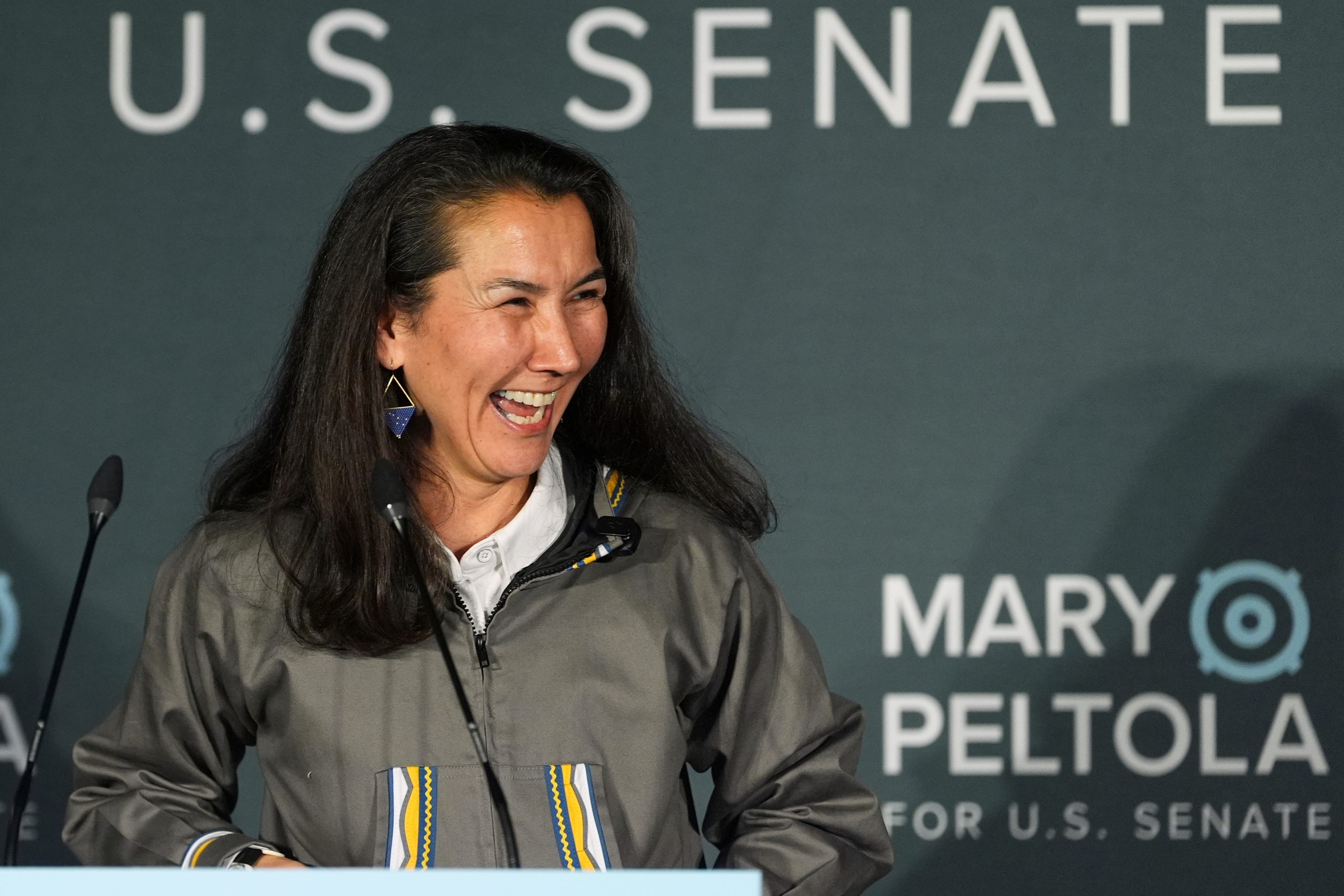
The 120th Congress will include seven Indigenous members, an increase from the previous session. This group includes two women headed for the U.S. Senate, Peggy Flanagan from Minnesota and Mary Peltola from Alaska. Flanagan will become the first Native American woman to serve in the upper chamber, while Peltola will be the first Alaska Native to do so.
Other new members include Sean McCann of Michigan and Claire Valdez of New York, who will be the first Native American representative from New York. The elections also saw historic wins at the state level. Deb Haaland won the election to become the governor of New Mexico, making her the first Native American woman to hold that office. In Oklahoma, T.W. Shannon won a seat as lieutenant governor.
The data shows that Indigenous women are winning at higher rates than men, with over 100 women elected compared to 79 men. Despite these gains, a large gap remains between the current representation and the population. While Indigenous people make up 3.4 percent of the population, they currently hold only 0.07 percent of elected offices.
To achieve representational parity in all levels of government, Harvill of ICT says 17,000 more Indigenous people need to be elected to the 519,000 available offices nationwide.
Selected and summarized by local AI How we work
Thriving: Health improving, rights advancing, lives getting better.
More in Thriving
Researchers in Barcelona use lab data to treat metastatic cancer
elpais.com · 21 Nov 2026
Kerala commission orders refund for man misled by immigration firm
indianexpress.com · 16 Nov 2026

Midlands Air Ambulance Charity seeks government funding to ensure doctors on every flight
bbc.co.uk · 17 Nov 2026