Advocates end Corn Laws, ushering in free trade
Summary and headline written by AI from the source article. How we work
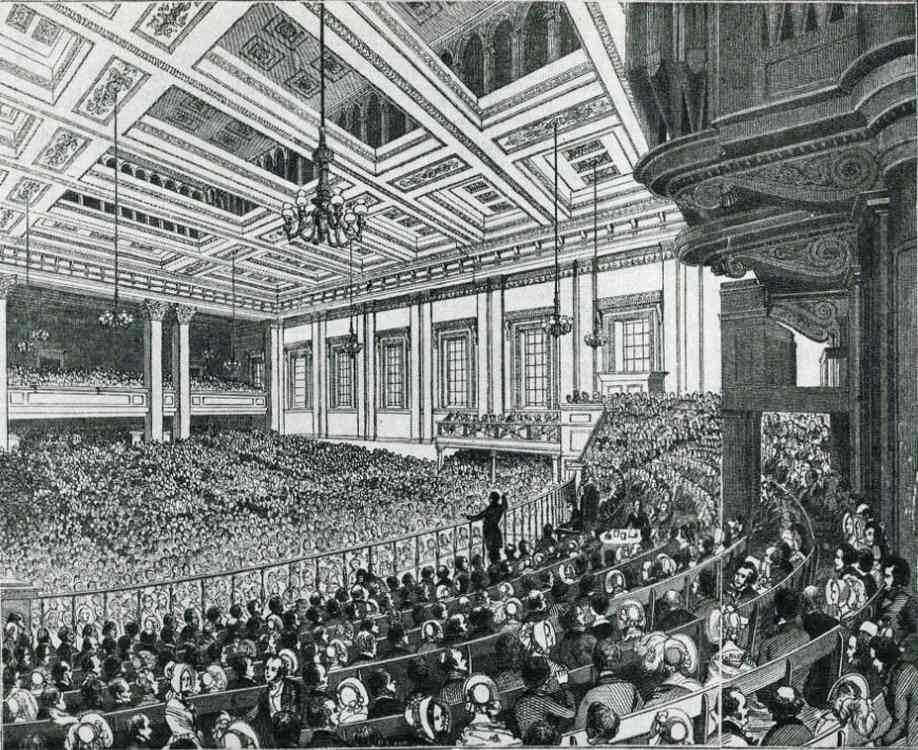
In England, the Anti-Corn Law League, founded by Richard Cobden and influenced by Daniel Ricardo, successfully campaigned to abolish the Corn Laws of 1815.
These laws had imposed tariffs on imported grains, protecting domestic producers but raising bread prices for ordinary citizens. The League argued that protectionism hindered economic growth and limited access to affordable food, especially for factory workers.
The tariffs benefited British cereal producers by guaranteeing them a market, but economists like Friedrich Bastiat pointed out the unseen consequences. These included food scarcity for the poor during shortages, stalled innovation among farmers, and reduced demand for manufactured goods as people spent more on food. Cobden believed the laws also created unnecessary tension between nations by restricting trade. The repeal of the Corn Laws established early arguments for laissez-faire economics in Europe.
The League’s success demonstrated the benefits of free trade and served as a case study against protectionist policies. Beyond this, the article also details several other positive historical events from September 18th, including the laying of the Capitol cornerstone, the founding of Tiffany & Co., the premiere of A Streetcar Named Desire, the discovery of Old Faithful, Margaret Chase Smith’s election to the Senate, Philippe Croizon’s English Channel swim, the founding of Tonka Trucks, and Harriet Tubman’s escape from slavery.