New bird species drives conservation success in Ecuador
Summary and headline written by AI from the source article. How we work
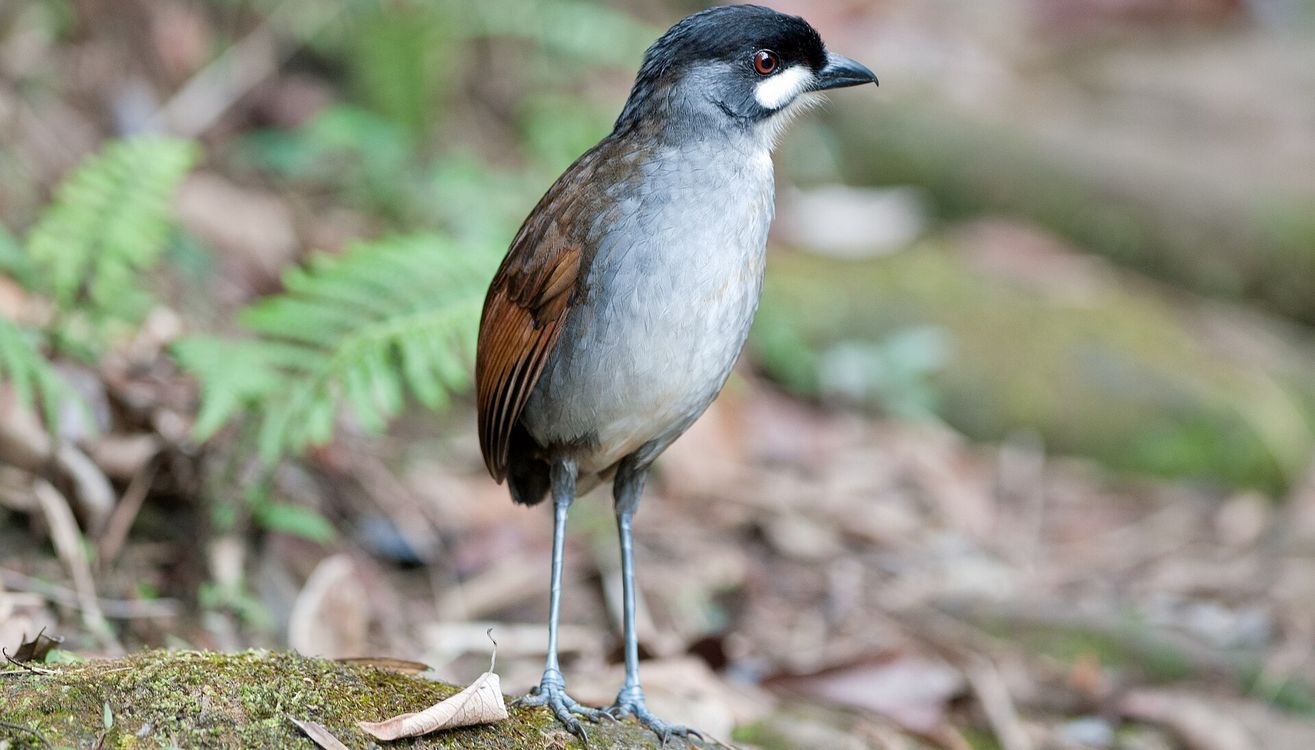
In the late 1990s, scientists birdwatching in a remote forest in Ecuador discovered a previously unknown bird species with grey, black, and brown plumage.
The scientists named the bird Grallaria ridgelyi, in honor of ornithologist Robert Ridgely, who led the expedition. This discovery prompted Ridgely to seek funding to purchase the land where they found the bird, leading to the establishment of the Tapichalaca Reserve.
The Tapichalaca Reserve became the first of 19 private reserves, totaling 123,000 acres, managed in partnership with local communities through the Jocotoco Foundation. This network also incorporates 200,000 acres of community-owned land, all dedicated to conservation, reforestation, and ecotourism. The reserves now protect a diverse range of species, including 1,350 bird species, representing 12.5% of all bird species globally, as well as the condor, Andean bear, El Oro parakeet, and Galapagos petrel.
BirdLife International recognizes the Jocotoco Foundation’s work as a global conservation success, demonstrating how dedication and long-term stewardship can benefit nature.