Conservation efforts reverse declines for tigers and sea turtles
Headline and summary by local AI
The World Wide Fund for Nature (WWF) released the Living Planet Report 2026, which shows that targeted conservation measures are successfully helping some endangered species recover.
The report uses the Living Planet Index (LPI) to track the populations of mammals, birds, fish, amphibians, and reptiles. Data from the Zoological Society of London (ZSL) indicates that since 1970, the average population of these vertebrate groups has decreased by 73 percent.
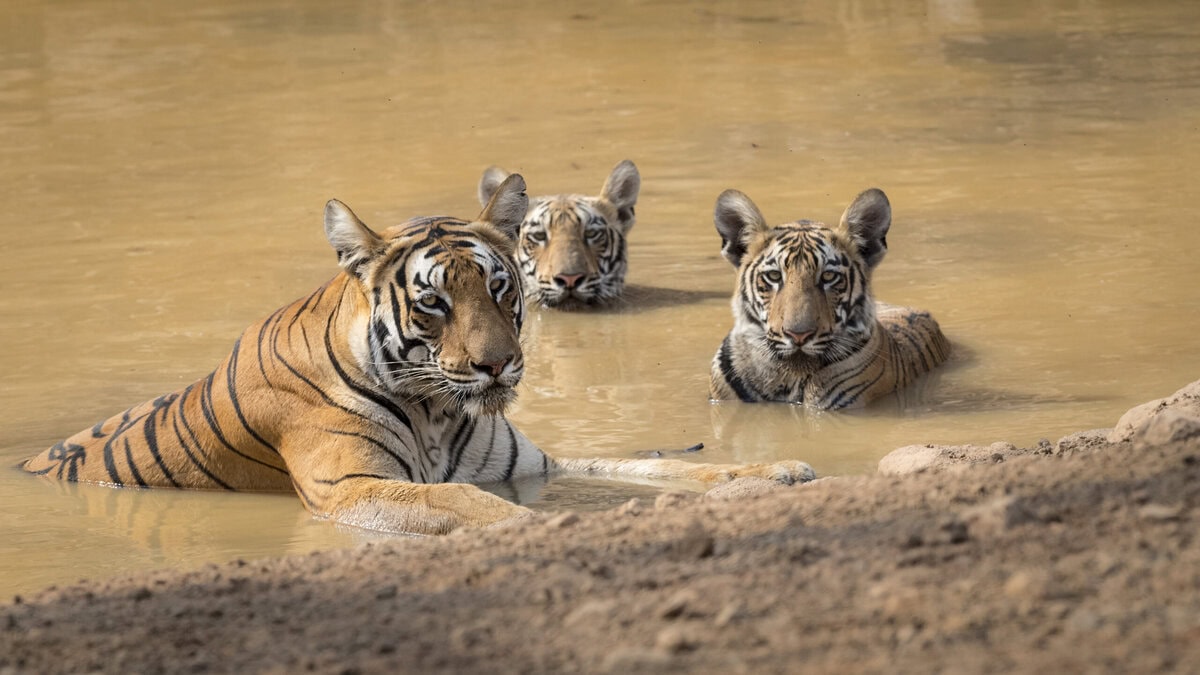
The report notes that the freshwater index shows the sharpest decline at 85 percent, while ocean populations fell by 59 percent. However, the WWF emphasizes that these figures represent a proportional average of populations rather than a total extinction rate. About half of the populations tracked in the index are currently stable or increasing because of specific interventions. In India, tiger populations rose by over 70 percent to reach approximately 5,700 individuals.
This recovery resulted from a combination of habitat protection, anti-poaching efforts, and cooperation between governments, local communities, and non-governmental organizations. Similarly, the green sea turtle was reclassified from endangered to not endangered in 2025. Local initiatives in Fiji protected nesting sites, increasing annual clutches from 419,000 in 2011 to about 526,000 in 2024. In southern Africa, savannas elephants remain stable in the Kavango-Zambezi conservation area.
This success stems from legal reforms that give local communities a say in wildlife management and increased prosecution of poachers. While the Kunming-Montreal Global Biodiversity Framework aims to halt biodiversity loss by 2030, the WWF warns that less than half of the checked national targets are currently on track to meet their goals.
Selected and summarized by local AI How we work
Recovery: Ecosystems recovering, species returning, nature thriving or newly found, and protection already in force.


