Portugal reduced drug deaths by prioritizing health support
Summary and headline written by AI from the source article. How we work
In 2001, Portugal decriminalized the possession of drugs for personal use, shifting its focus from punishment to providing support for people who use drugs.
Before this change, drug use was widespread and linked to a high rate of HIV infections, around half of the 100,000 people infected at the time had a history of heavy drug use.
The government, advised by an anti-drug commission, created a system where people caught with small amounts of drugs are referred to psychologists instead of facing criminal charges. This approach places responsibility for drug policy with the Ministry of Health, viewing drug use as a health issue rather than a criminal one.
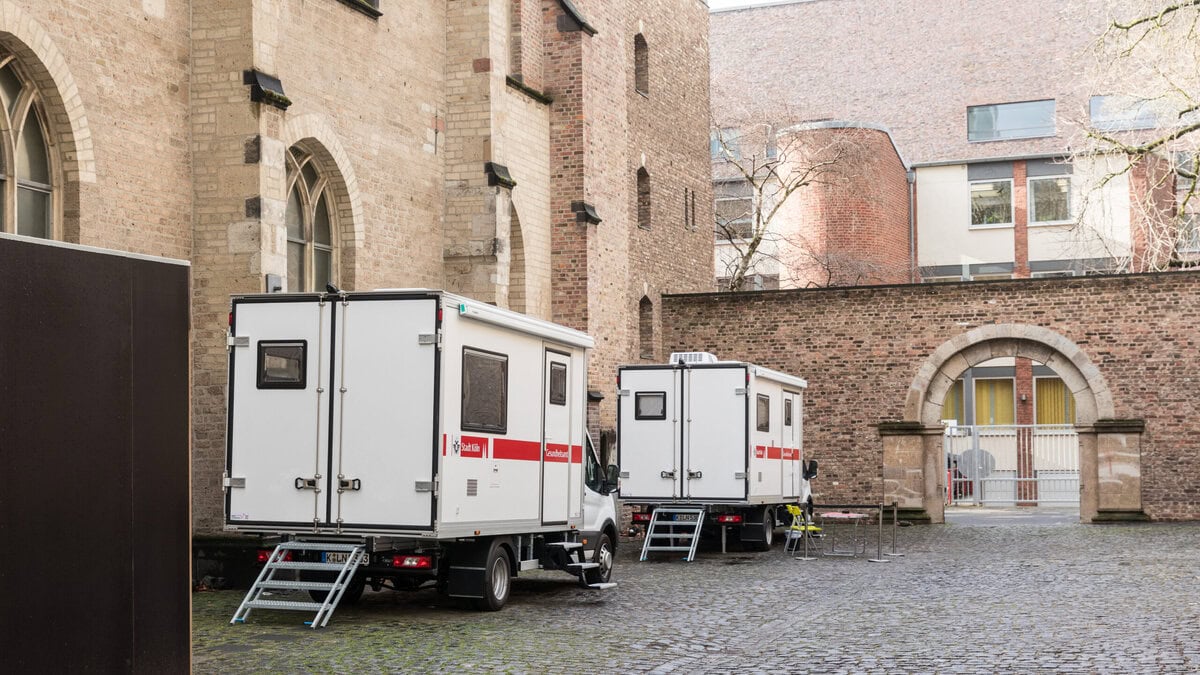
People found with less than 25 grams of cannabis, 5 grams of hashish, 2 grams of cocaine, or 1 gram of heroin now face administrative offenses instead of criminal charges. They are assessed by psychologists, sociologists, and social workers who offer guidance and therapy. Portugal also provides harm reduction services like methadone buses, which offer supervised opioid substitution therapy and medical care to people struggling with addiction.
These buses, funded by the state and donations, also distribute clean needles and offer health checkups, particularly for older individuals. Alongside these services, Portugal invests in drug education programs in schools and communities to prevent drug use, especially among young people. As a result, drug-related deaths have fallen from 80 per million people 25 years ago to fewer than 20 per million today, below the EU average of 25.