Livestock help prevent wildfires in American West
Summary and headline written by AI from the source article. How we work
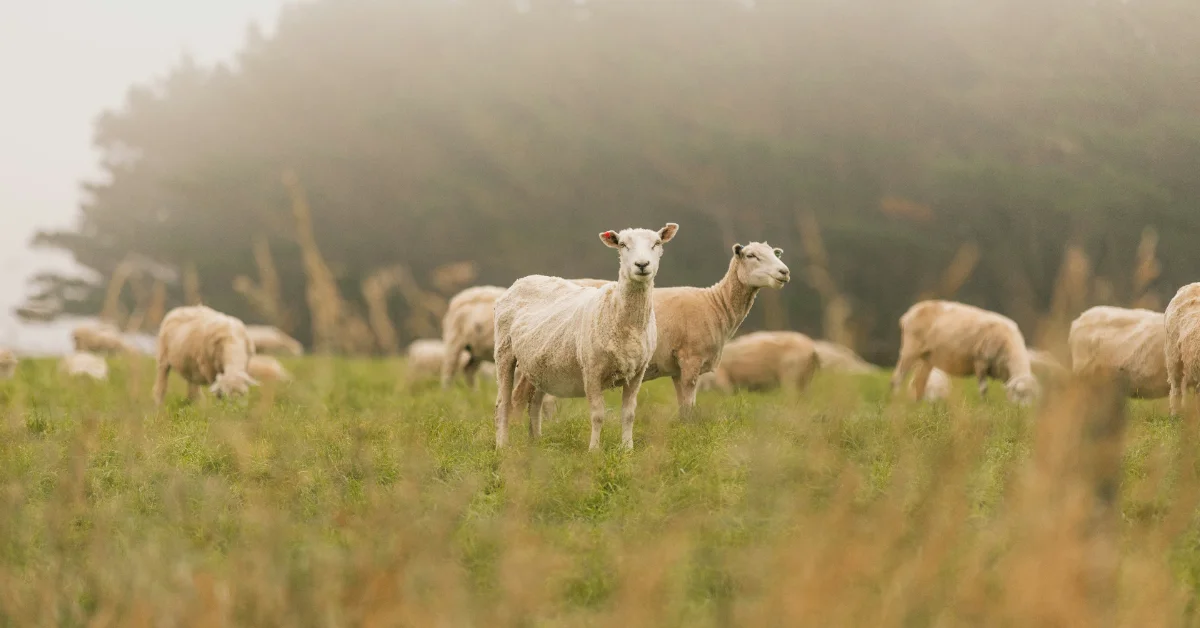
Across the American West, land managers are increasingly using cattle, goats, and sheep to reduce wildfire risk by having them graze down flammable grasses and shrubs.
The U.S. Forest Service and Bureau of Land Management are encouraging this practice, known as targeted grazing, as part of a new 2025 Grazing Action Plan.
Livestock can reach remote and steep areas where machinery or controlled burns are impractical, and they consumed around 600 pounds of vegetation per acre in California alone in 2017. Targeted grazing works best in grasslands and shrublands, slowing fire spread and helping ecosystems recover. While livestock cannot remove trees, they can make conditions safer for intentional burns or herbicide application. A survey of U.S.
Forest Service staff revealed that a majority believe targeted grazing is at least moderately effective, and over two-thirds rated past projects as moderately to extremely effective. However, implementing widespread targeted grazing presents challenges. Ranchers may face extra costs for transporting livestock or water, and the practice isn't always effective enough to significantly reduce fire risk.
Only a small percentage of Forest Service staff anticipate using targeted grazing in the next few years, citing concerns about planning time, monitoring, and financial feasibility. Researchers are currently working with ranchers to test the method, finding that sheep can reduce invasive grass cover by over 20% in some areas.