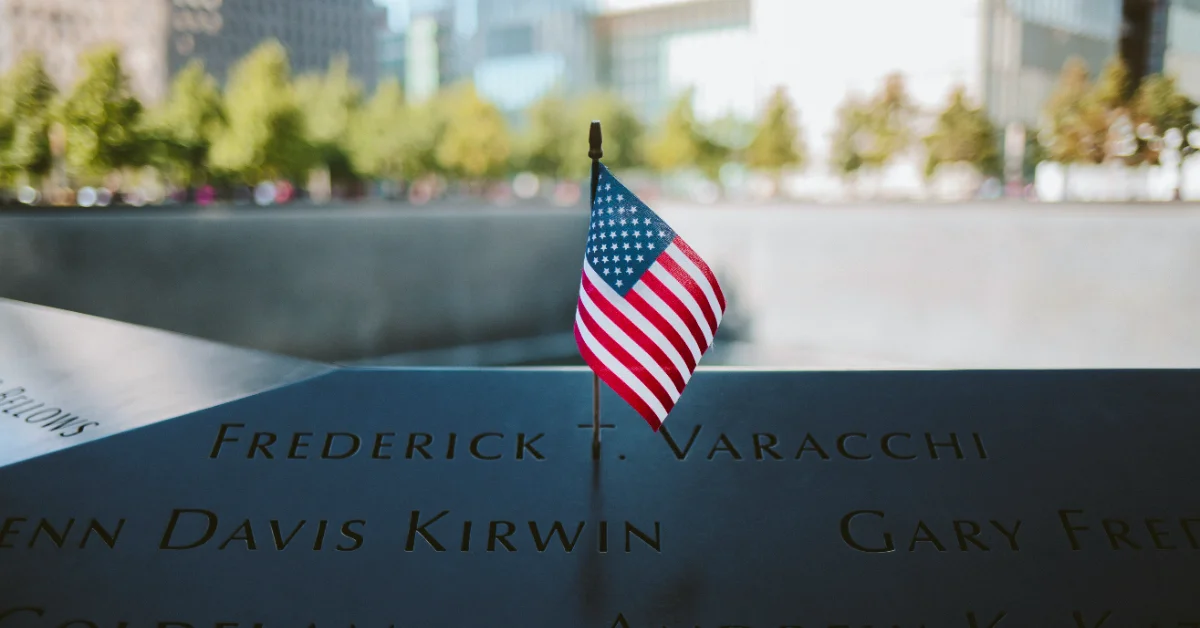
After 9/11, Americans prioritise connection during trauma
Summary and headline written by AI from the source article. How we work
Following the September 11th attacks, many Americans responded by donating to charity and volunteering, demonstrating a tendency to reconnect with others after traumatic events.
Researchers observed this pattern again after Hurricane Katrina in 2005 and the 2023 Maui wildfires in Hawaii. Studies showed divorce rates decreased in New York state in the years following 9/11, and survivors of Hurricane Katrina found meaning by helping others recover.
Tonya Cross Hansel, a social work researcher, has studied disaster recovery for over two decades and found that communities often strengthen when people turn to family and social relationships during crises. However, she also notes that inadequate resources and prolonged recovery can damage community bonds, creating what researchers call “corrosive communities,” as seen in Cordova, Alaska, after the 1989 Exxon Valdez oil spill. The number of billion-dollar disasters in the U.S. has increased in recent decades.
NOAA data shows 27 in 2024, compared to an average of nine per year since 1980, making understanding community recovery even more important. Residents who experienced multiple disasters, such as those along the Gulf Coast, consistently advised others to rely on faith and community for strength, and research suggests that even amidst deep societal divisions, people often extend help beyond their usual circles during times of crisis.