University of Coimbra archives show historical ties between Brazil and Portugal
Headline and summary by local AI
The University of Coimbra in Portugal recently showcased its archives and the Cabinet of Curiosities to highlight the long history between the institution and Brazil.
The university, which was founded in 1290, serves as a historical hub for Portuguese-speaking intellectual life. Records in the university archive, which spans 12 kilometers of documents, show that the first Brazilian student enrolled in a law course in 1577.
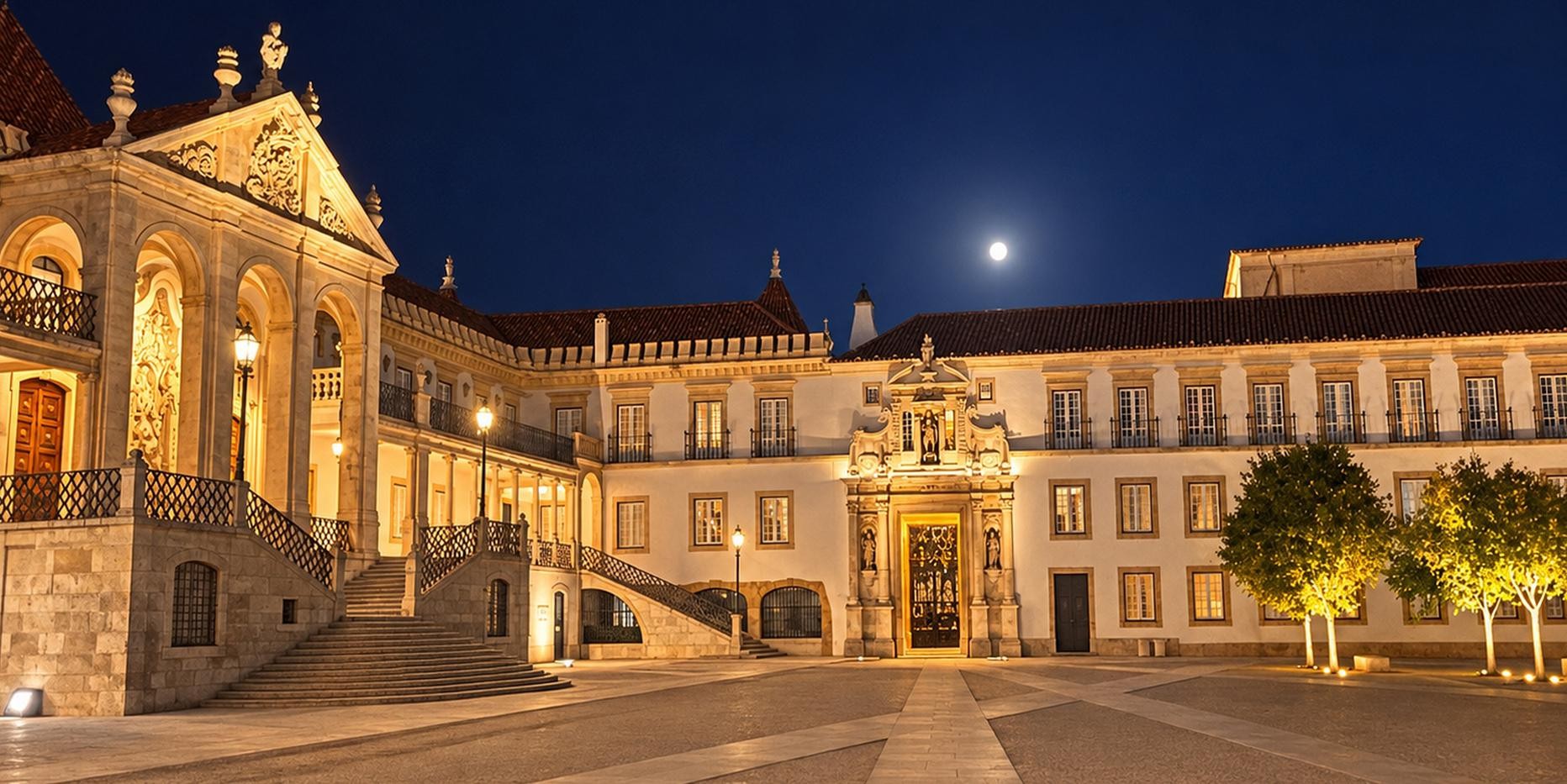
It took nearly four centuries for the first Brazilian woman, América do Sul Fontes Monteiro, to enroll in the university in 1917. The archives also house personal letters from Portuguese immigrants who moved to Brazil in the late 19th and early 20th centuries, including a group of 100,000 people seeking economic opportunities. The campus features a mix of architecture, including the old Palace of King Dom Dinis and buildings from the early 20th century.
The university holds a gallery of minerals named after José Bonifácio de Andrada e Silva, a Brazilian politician and naturalist who studied there. The archives also contain celebratory records from the travels of Princess Isabel de Orleans and Bragança, who signed the law abolishing slavery in Brazil. Visitors can access the Cabinet of Curiosities, a recently opened room featuring glass shelves with botanical, chemical, and anthropological objects collected globally.
The collection includes taxidermy animals, snakes from Brazil, and historical artifacts like used shoes from Macau. The university also houses the Joanina Library, which contains 60,000 rare volumes from the 16th to 18th centuries, and the Palace of the King, where several Brazilian presidents have received honorary doctorates.
Selected and summarized by local AI How we work