Ancient gold jewelry discovery rewrites history of early metallurgy

Headline and summary by local AI
An excavator named Raycho Marinov accidentally discovered the Varna Treasure in Bulgaria during an industrial trench excavation in October 1972.
Located near the Black Sea, the site revealed a Copper Age necropolis containing nearly 300 graves. Archaeologists cataloged more than 3,000 pure gold artifacts at the site, totaling about 6 kilograms of precious metal. These items, which include diadems, bracelets, and rings, are recognized as the oldest worked gold in the world, dating from 4600 B.C. to 4200 B.C.
This find predates the first major documented metallurgical productions in Ancient Egypt or Mesopotamia by 1,500 to 2,000 years. The distribution of these items revealed a highly stratified social structure in the Varna culture. While most graves contained little to no decoration, one grave of a man roughly 45 years old held more than 1,500 gold objects.
Igor Ferreira of Fábrica do Ouro says the discovery proves that humans have used gold to express social status and beliefs since the earliest organized societies. The Varna culture likely collapsed around 4100 B.C. due to floods or severe climate changes. The artifacts remain on permanent display at the Varna Archaeological Museum and travel to international exhibitions as evidence of early advanced smelting and forging techniques.
Selected and summarized by local AI How we work
More in Discovery

Psychoanalyst Enrique Prego analyzes melancholy and modern discontent
perfil.com · 4 Nov 2026
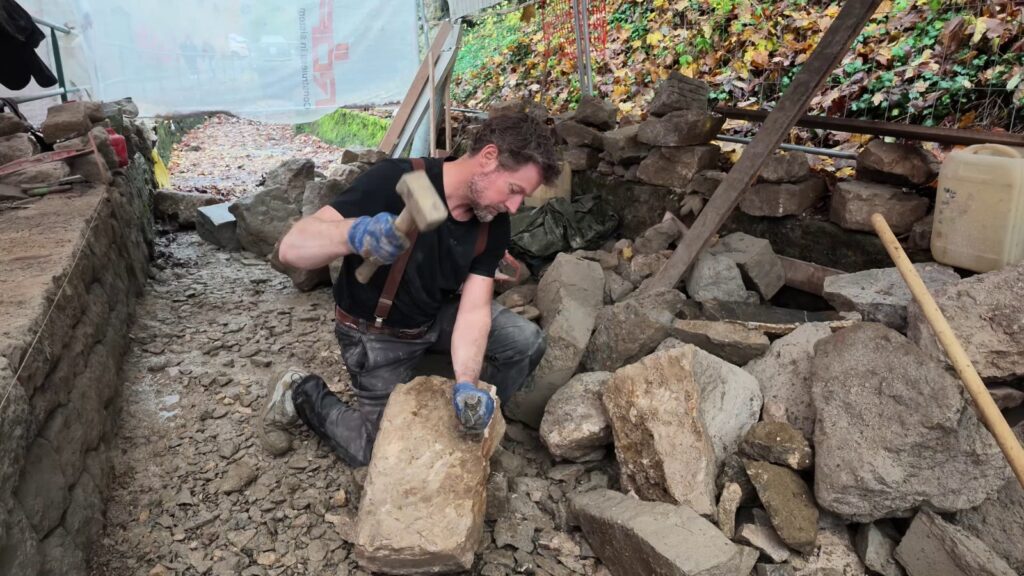
French stonemason restores medieval canal in Brașov using dry stone techniques
mediafax.ro · 3 Nov 2026

Scientists find remote coral atolls with intact marine ecosystems in the Pacific
sciencealert.com · 11 Nov 2026