Researchers trace transition from celtiberian to Roman city in Spain
Headline and summary by local AI
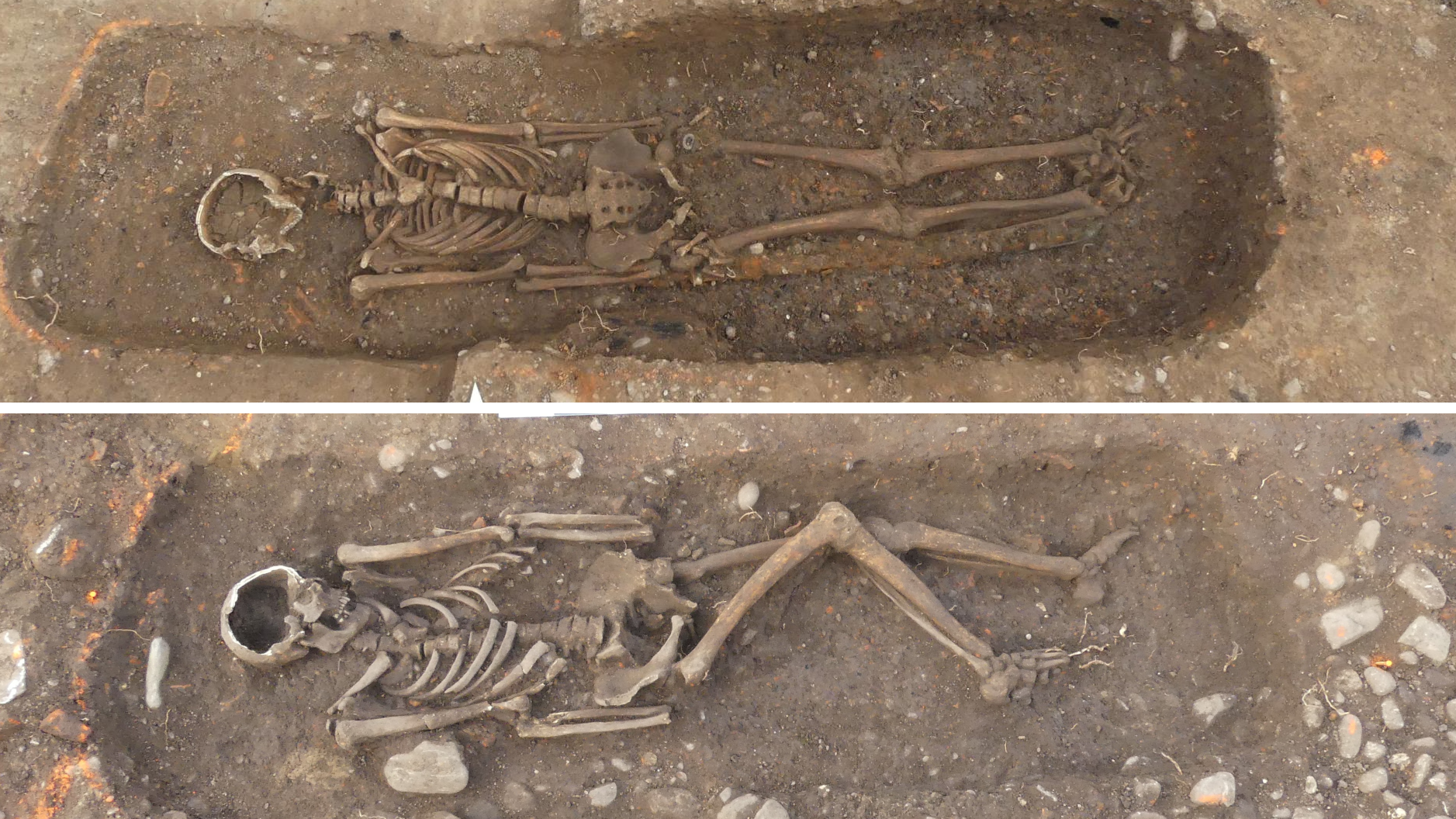
Archaeologists in the Burgos region of Spain are excavating the site of Klounioq to understand how the settlement transitioned into the nearby Roman city of Clunia.
Luis Valdés, the director of the investigation, suggests that Roman troops did not successfully conquer the Celtiberian city of Klounioq. Instead, the research team believes the population gradually moved away from the settlement, likely drawn by the wealth of the neighboring Roman city.
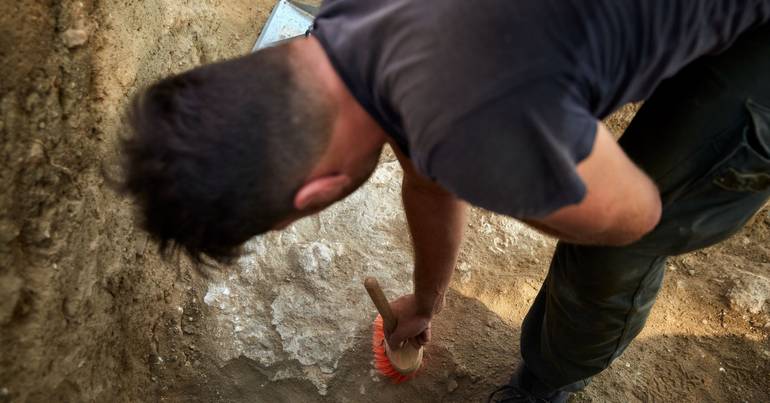
This shift explains how the area transformed from a native settlement into a Roman center over several centuries. During the summer excavation campaign in the municipality of Quintanarraya, workers discovered a defensive tower from the Arévaca people. This structure is unique in the Castela e Leão region due to its monumental size and sophisticated construction. Valdés noted that the tower, which stood between five and eight meters tall, shows no signs of destruction from an attack.
Instead, people reused the stones over time to build houses and pave roads. The 2026 archaeological campaign also uncovered a large industrial area for smelting iron and copper dating to the 2nd century B.C. This site may be the largest of its kind ever found in the Iberian Peninsula. The area contains two reduction furnaces and a workshop with a floor covered in limestone and pebbles to prevent fires.
Analysis by a laboratory in Florida, USA, confirmed that these metalworking activities took place between the second third of the 2nd century B.C. and the 1st century B.C.
Selected and summarized by local AI How we work