Archaeologists discover a first century Roman settlement in Murcia, Spain
Headline and summary by local AI
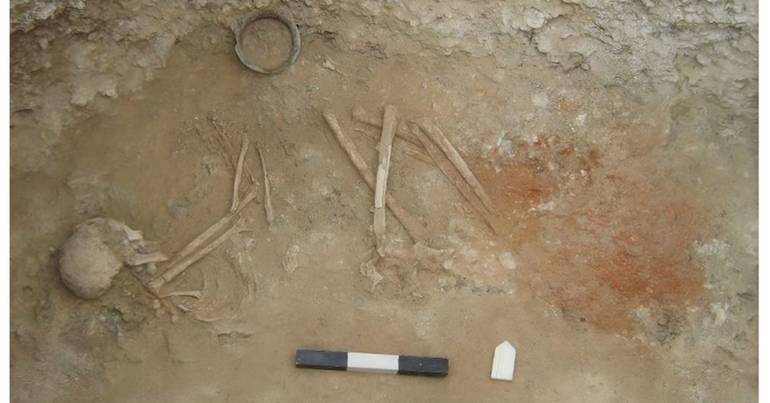
Archaeologists discovered structural remains of a previously unknown Roman settlement from the first century at the San Esteban archaeological site in Murcia, Spain.
The team identified the remains in two of the 58 archaeological probes conducted since March. These findings occurred at a level near the water table, located about two meters below the rest of the inspected area.
Clemente López Sánchez, the project director, stated that the high volume of ceramic finds allows researchers to identify the Roman settlement with a 99.9 percent probability. Among the recovered items are floor heating systems, lamps, imported ceramics, household objects, a Roman coin, and a small idol with Neocufic inscriptions. The excavations also changed the historical timeline of the medieval settlement at the site.
Researchers now believe the medieval occupation began in the 10th century rather than the 12th or 13th centuries, and lasted until the 14th century. After the probes conclude, a project will begin to recover and turn the site into a museum, which includes plans to build a plaza over the remains.
Selected and summarized by local AI How we work
More in Discovery
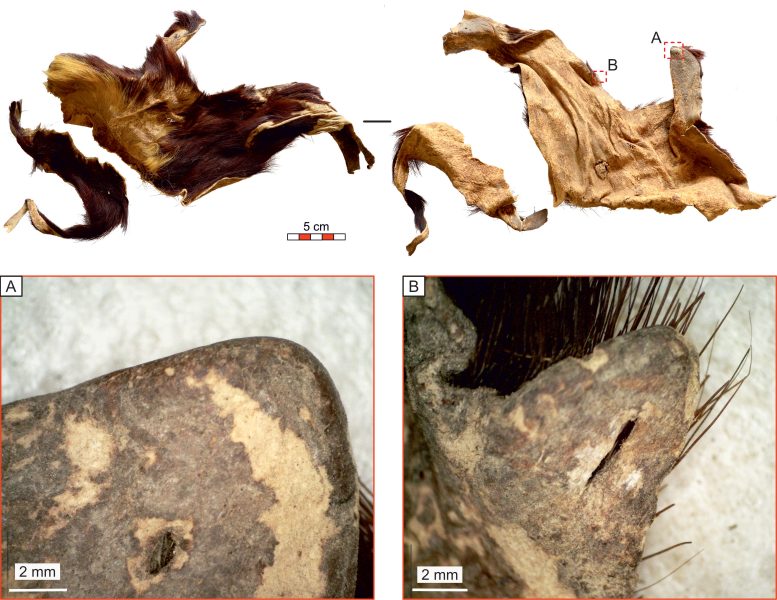
Ancient DNA from 7,000-year-old leather links prehistoric goats to modern breeds
scitechdaily.com · 9 Nov 2026
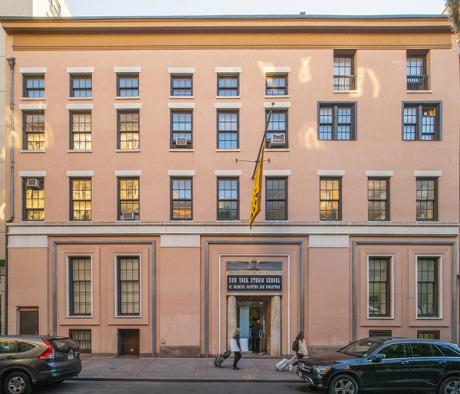
New York Studio School renovation unearths hidden murals
theartnewspaper.com · 3 Nov 2026

Archaeologists discover gaulish wall on the ile de la Cité in Paris
sciencesetavenir.fr · 8 Nov 2026