Tunisia allocates 76 million dinars to expand telecom coverage

Headline and summary by local AI
The Tunisian government allocated 76 million Tunisian dinars to extend telecommunications coverage to underserved regions. Minister of Communication Technologies Sofiène Hemissi announced the funding during a joint plenary session on November 19.
The government will use the Telecommunications Sector Development Fund to finance the project. Tunisie Telecom, a state-owned operator, will implement the work under a specific contract. Construction has already started now that the government has resolved previous delays regarding public procurement and permits.
The project aims to bridge the digital divide by providing internet and phone services to remote, mountainous, and desert areas where the three main telecom operators have not met their expansion commitments. To reach these difficult locations, the ministry is collaborating with other departments to introduce alternative technologies like satellite internet. The draft Finance Law also suggests exempting certain satellite equipment from customs duties to help people adopt these technologies.
Additionally, the government plans to replace its existing copper telecommunications network with fibre-optic infrastructure by December 2027. While coverage currently reaches more than 90% of the population, the ministry and the National Telecommunications Authority monitor the three operators to ensure they meet license obligations. Operators that fall short of quality or coverage standards may face financial penalties.
However, the government still faces hurdles such as municipal permit delays and legal actions from communities who oppose the installation of mobile base stations.
Selected and summarized by local AI How we work
Solutions: Technology, policy and initiatives already in use against a real problem, with results to show.
More in Solutions

Telekomi i Kosovës approves 95 voluntary resignation applications to reduce costs
kallxo.com · 21 Nov 2026
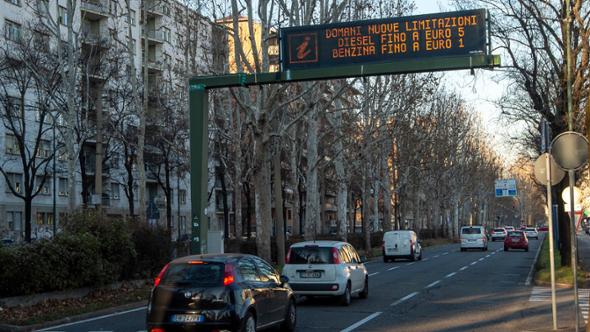
Italian Senate delays diesel vehicle restrictions in northern Italy
lastampa.it · 17 Nov 2026

Illinois high school students enroll in more advanced courses after 2021 law
highereddive.com · 16 Nov 2026