Fuel shortages drive rise of electric tuk-tuks in Mekele

Headline and summary by local AI
Residents in Mekele, the capital of the Tigré region in northern Ethiopia, are increasingly switching to electric tuk-tuks to navigate severe fuel shortages.
Since the federal government stopped ensuring fuel distribution to the region a year ago, gas stations have remained empty. This scarcity has forced locals to adapt by adopting electric vehicles to maintain transportation services in the city.
Drivers are choosing electric models, known locally as badjadj, because they are more cost-effective than purchasing gasoline from the black market. While gasoline prices can reach 330 birrs per liter, a full battery recharge costs around 150 birrs. Some residents invest up to 1,000,000 birrs to purchase these vehicles imported from China. However, the transition creates a divide for drivers who cannot afford the high upfront costs of electric models and must rely on expensive smuggled fuel.
The shift to electric transport faces infrastructure and maintenance hurdles. Mekele lacks dedicated charging stations, forcing owners to charge vehicles at home or in private garages during frequent power outages. Additionally, owners struggle to find spare parts for repairs. Some drivers express concern that poor road conditions drain batteries faster than the standard 150 kilometer range, leading some to consider returning to traditional fuel vehicles if prices stabilize.
Selected and summarized by local AI How we work
Solutions: Technology, policy and initiatives already in use against a real problem, with results to show.
More in Solutions
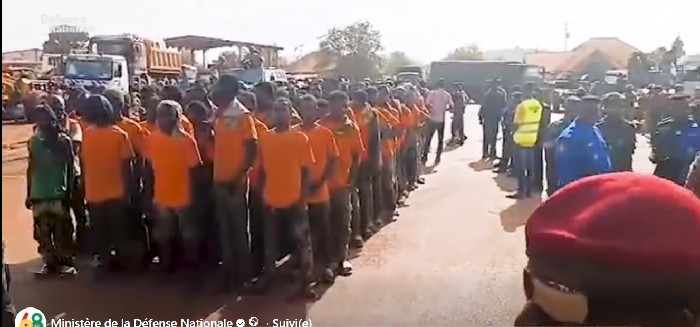
Guinea expels over 1,500 illegal gold miners to Mali border
mosaiqueguinee.com · 15 Nov 2026

Toronto Zoo raises seven endangered Eastern Massasauga rattlesnake babies
timesofindia.indiatimes.com · 22 Nov 2026

Argentina's PAMI regulates artificial intelligence use for public services
perfil.com · 20 Nov 2026