New Zealand beaches overrun by forestry waste
Summary and headline written by AI from the source article. How we work
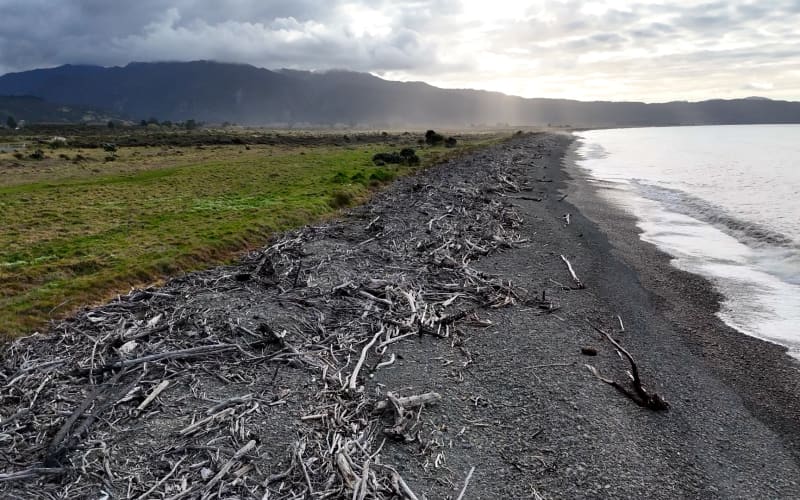
Residents of Tairāwhiti, a region on New Zealand’s North Island, are witnessing increasing amounts of forestry slash, the debris left after logging, covering their beaches.
Graeme Atkins, a resident near Ruatoria, explained that forestry waste has been accumulating on beaches since around 2014, especially after storms like cyclones Gabrielle and Hale in 2023. This waste clogs waterways, harms marine life like kōura (freshwater crayfish) and paua (abalone), and is a visible reminder of changing land use.
Following the devastating Cyclone Bola in 1988, the government incentivized pine plantations on steep, marginal land owned by Māori communities. Roger Haerewa, a former trustee of a land block, described how this initiative, intended to prevent erosion and provide jobs, has instead led to financial difficulties and environmental damage. The price of logs has fallen, while transport costs have risen, leaving some forests unharvestable. The Gisborne District Council is attempting to regulate the forestry industry and promote sustainable land use.
After the recent cyclones, the council increased its enforcement of forestry practices, but its efforts to secure government funding for land stabilization and stricter regulations have been unsuccessful. Despite a breakdown in trust between the council and forestry companies, facilitator Doug Leeder believes the council’s enforcement actions have been justified and necessary. Residents like Atkins emphasize the importance of kaitiakitanga, guardianship of the land, and hope to shift towards land management practices that will benefit future generations.


