Mexico increases distributed energy capacity through rooftop solar panels
Headline and summary by local AI
Mexico increased its distributed generation capacity by 9.4 percent during the first six months of the year, according to the National Energy Commission (CNE).
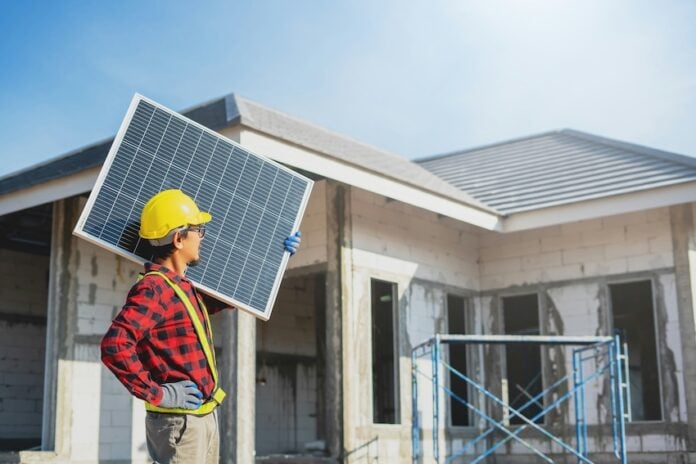
This growth stems primarily from the expansion of rooftop solar panels, which allow people to produce electricity near where it is consumed. This method reduces the need for large centralized power plants and long distance transmission lines, helping the country move toward green energy.
The CNE reported that distributed generation reached a cumulative installed capacity of 5,675 megawatts (MW) by midyear. Photovoltaic solar energy makes up the vast majority of this capacity, accounting for 5,640 MW. These systems have attracted 54,766 new contracts and reached a cumulative investment of US $14.58 billion by the end of June. The CNE says these investments create specialized jobs and strengthen supply chains for clean energy technologies.
Specific regions are leading the transition, with Jalisco, Nuevo León, and Chihuahua contributing 32 percent of the national total. In Jalisco, the government aims to generate as much energy as the state consumes by 2030, with 60 percent of that energy coming from clean sources. Manuel Herrera Vega, head of the Jalisco Ministry of Energy and Sustainable Development, says these systems free up grid capacity and reduce emissions.
However, the Mexican Institute for Competitiveness warns that meeting national growth targets could increase electricity demand by 10.1 percent, requiring more generation capacity than current official plans account for.
Selected and summarized by local AI How we work