Sor Juana Inés de la Cruz defended women's right to education in 17th century Mexico
Headline and summary by local AI
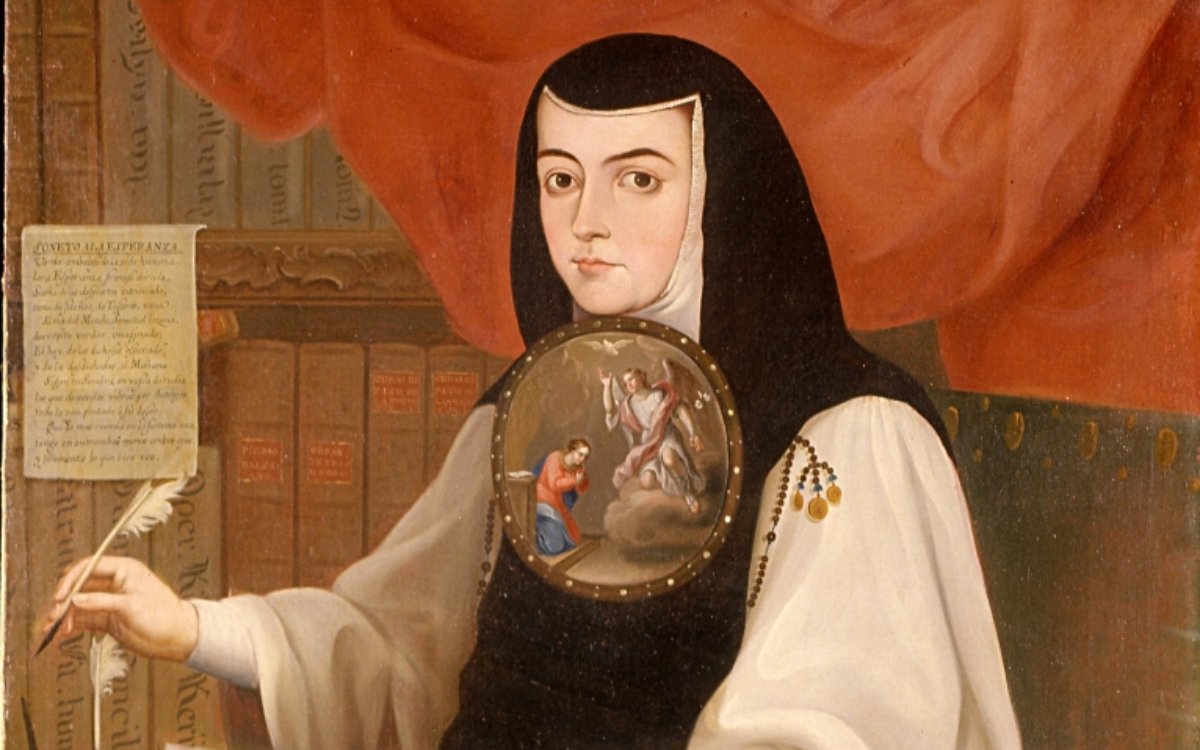
Sor Juana Inés de la Cruz, a prominent 17th-century writer in New Spain, challenged social restrictions on women's access to knowledge and defended her right to study.
Sor Juana was born in San Miguel Nepantla, in the current State of Mexico. While her official birth year is debated between 1648 and 1651, she demonstrated an early desire for education.
As a child, she asked her mother to send her to Mexico City to attend university and even proposed dressing as a man to gain entry. Because her mother refused, Sor Juana studied using her grandfather's books until she entered the San Jerónimo convent as a novice in 1668. This move allowed her to continue her studies as a religious sister. In 1691, Sor Juana wrote a famous letter to the bishop of Puebla, Manuel Fernández de Santa Cruz.
The bishop had published a critique of her intellectual work under the pseudonym Sor Filotea de la Cruz and advised her to stop secular studies. In her response, Sor Juana argued that knowledge should not be limited by gender. Following this controversy, her public intellectual activity decreased, and she eventually signed a religious declaration in 1694. She died in 1695 while caring for sick sisters during an epidemic. Modern institutions continue to recognize her legacy.
The Banco de México has featured her image on various banknotes, including the 1000 pesos bill in 1978 and the 100 pesos bill in 2020. Additionally, the Universidad Nacional Autónoma de México (UNAM) recently identified three handwritten notes by Sor Juana in a 1622 book from Germany. These findings help researchers understand the specific texts and ideas that shaped her unique perspective on a future different from what her era provided for women.
Selected and summarized by local AI How we work
Discovery: Archaeology, new knowledge of art, culture and history, forgotten history uncovered, something lost restored.
More in Discovery

Freshwater fish consumption distorts radiocarbon dating of medieval skeletons
phys.org · 10 Nov 2026

Lack of stone tools explains missing human traces in Arabian desert
sciencealert.com · 9 Nov 2026

Nigerian artist Tobiloba Awogbemila transforms traditional drums into digital art
newtelegraphng.com · 9 Nov 2026