Protests driven by connections, not just grievances: research review
Summary and headline written by AI from the source article. How we work
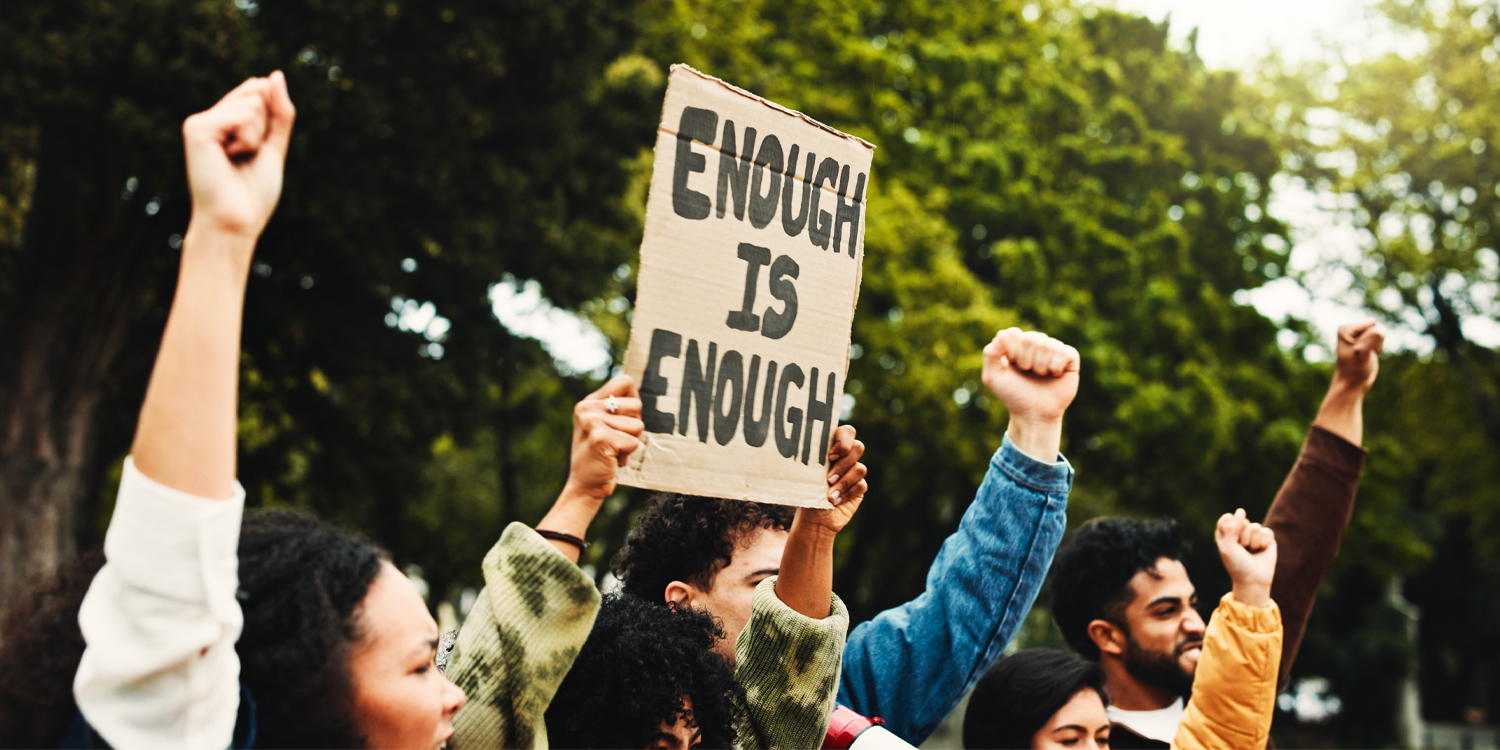
Researchers at Mount Royal University and the University of Delaware reviewed six decades of studies and found that people join protests because of their political interest and social connections, not primarily due to personal problems or distrust of government.
Shelley Boulianne and Jennifer Earl analysed 181 surveys from 1965 to 2023, gathering data from hundreds of thousands of people, mostly in Western democracies. They focused on physical marches and demonstrations, excluding less involved actions like signing petitions.
The meta-analysis revealed that belonging to organizations like labour unions and using social media consistently predicted protest attendance. These connections provide both information about events and established networks for mobilization. Traditional media, like television and newspapers, did not show the same link to protest participation. The researchers also found that demographic factors play a role. Younger people, those with more education, and city residents are more likely to protest, due to having more free time and easier access to events.
Surprisingly, personal grievances like financial hardship or distrust in government did not consistently motivate people to march, suggesting that shared beliefs alone are not enough to prompt action. The team hopes future studies will improve survey questions to better understand what drives people to participate in collective action, and is currently expanding the research to include data from 66 countries.

/https://tf-cmsv2-smithsonianmag-media.s3.amazonaws.com/filer_public/94/c9/94c976d9-9cd3-42b3-883c-3ccb289c9d62/hesper_nano.jpg)