Six decades of schizophrenia care: lessons from research
Summary and headline written by AI from the source article. How we work
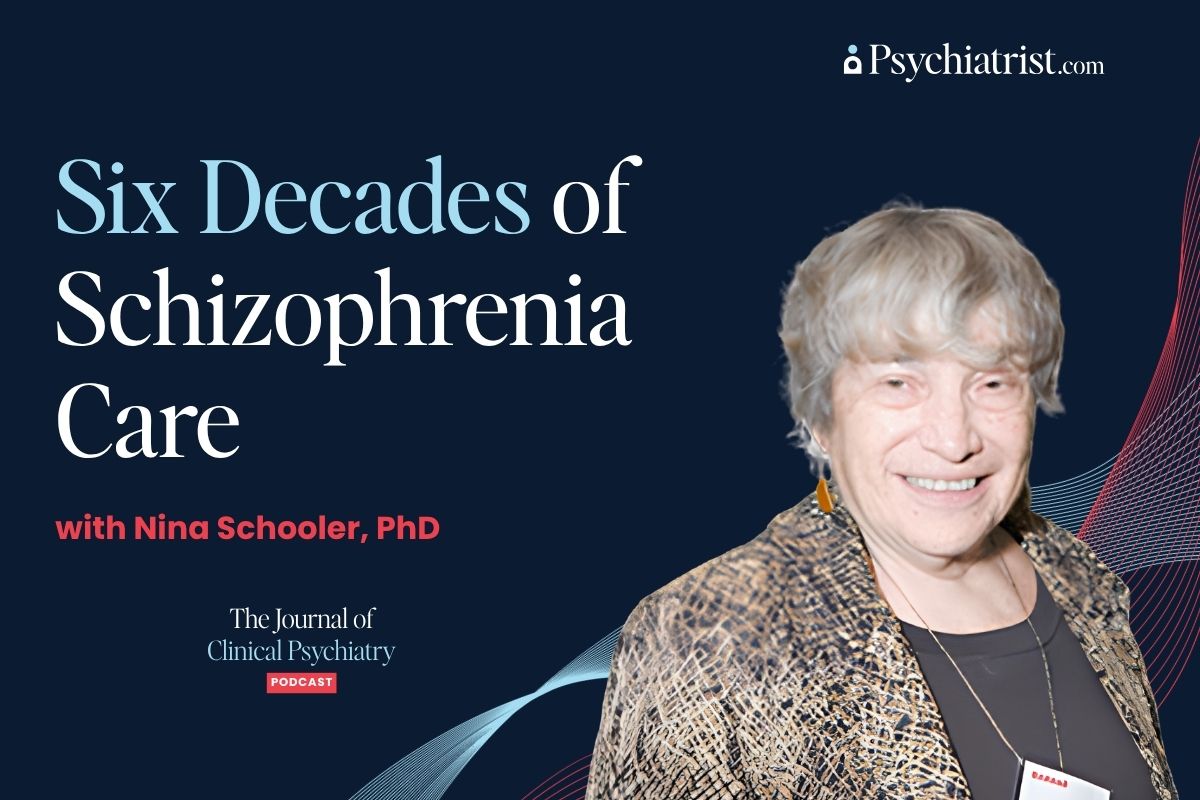
Dr. Nina Schooler, a social psychologist, began researching schizophrenia treatment at the National Institute of Mental Health in the 1960s, coinciding with the introduction of chlorpromazine.
She contributed to early trials comparing antipsychotics to placebos, discovering that patient attention and expectations could influence reported outcomes, independent of the drug’s effects. Dr. Schooler’s work expanded to include studies of tardive dyskinesia, negative symptoms, and the importance of coordinated specialty care for people experiencing their first episode of psychosis.
Her research highlighted challenges in enrolling the sickest patients in trials because participation requires effort, and revealed that successful schizophrenia treatment requires a team approach combining medication with psychosocial interventions. Dr. Schooler participated in the RAISE initiative, a study demonstrating the effectiveness of coordinated specialty care, which led to SAMHSA block grants enabling programs across the United States to deliver more intensive treatment.
While approximately 40 to 50% of the country now has access to these programs, challenges remain in ensuring consistent implementation and expanding access to all who need it. Dr. Schooler believes the field is moving toward earlier intervention and prevention, mirroring trends in Alzheimer’s research. She suggests future research will focus on identifying and treating individuals at clinical high risk for developing psychosis, rather than solely addressing established illness.
She acknowledges the increasing specialization within the field and the need for advanced biostatistical expertise in conducting modern clinical trials.