International migration and remote work drive population growth in Italian mountains
Headline and summary by local AI
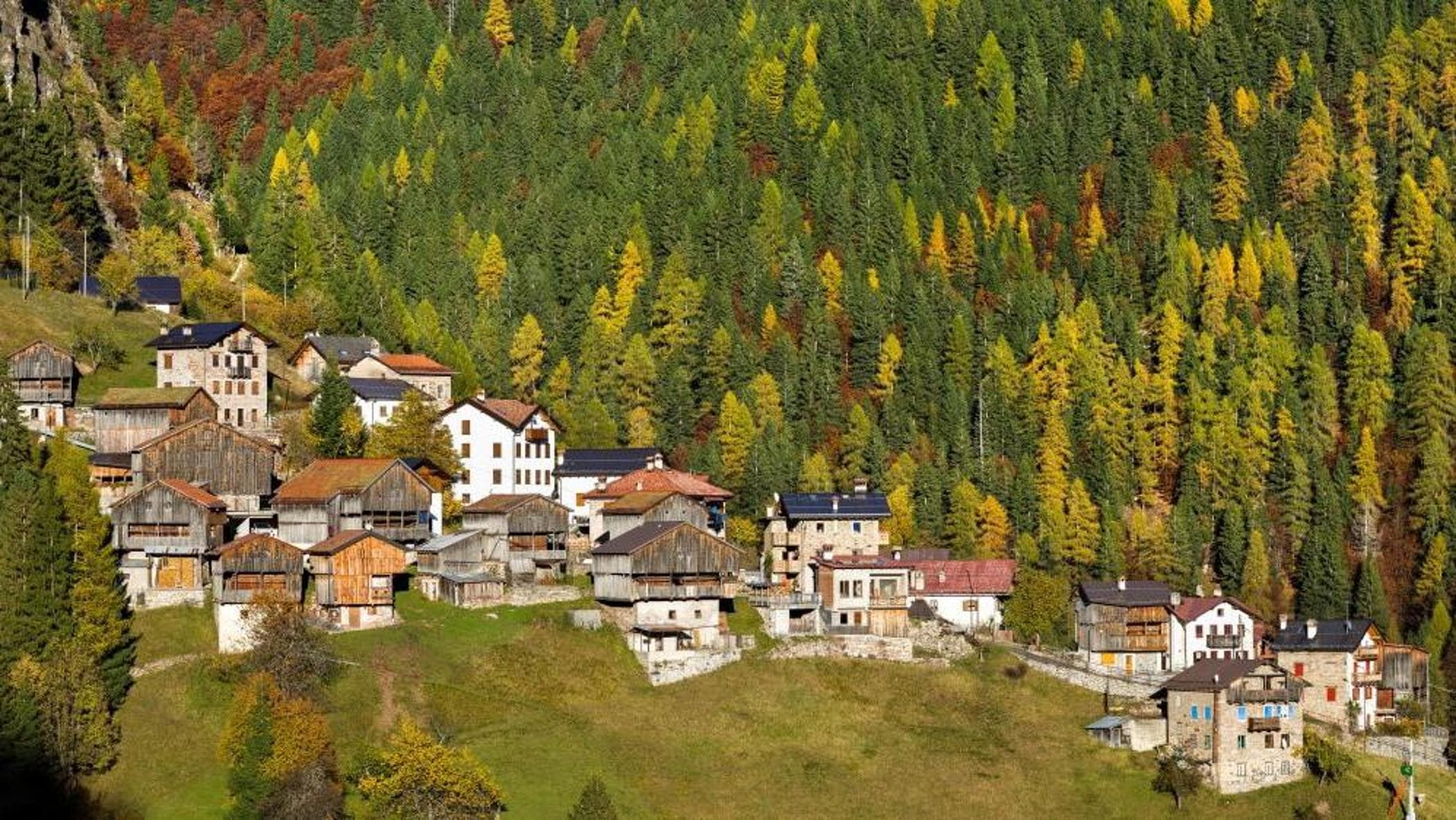
International migrants and young Italians are moving into mountain municipalities across Italy, reversing long-term depopulation trends in several regions.
A report by Uncem, the National Union of Mountain Municipalities, Communities and Authorities, shows that these areas saw a net influx of 174,000 people between 2019 and 2025. While the South of Italy continues to experience a negative population balance, the North and Central regions have seen significant growth.
The influx is driven by both international migration and a domestic trend known as repopulation. While more mountain residents moved to plains or hills than moved into the mountains internally, international arrivals more than offset these losses. In 2025, the international migration balance contributed 35,510 people to these highland communities. This growth is most visible in Northern Italy, which accounted for 152,000 of the total new arrivals.
Survey data indicates that people choose these areas for a better quality of life, lower housing costs, and the ability to work remotely due to improved telecommunications. Many young adults and families are moving from metropolitan areas to escape urban heat and find safer environments for children. Additionally, the movement includes migrant workers seeking opportunities in agriculture and tourism, as well as asylum seekers placed in these communities through decentralized reception programs. Despite this growth, many mountain areas remain fragile.
Some municipalities are still classified as ghost towns or are at risk of abandonment. Local mayors note that while new residents are arriving, the infrastructure and conditions required to make permanent settlement sustainable remain precarious.
Selected and summarized by local AI How we work