Italy expands gene therapy infrastructure to build national production chain
Headline and summary by local AI
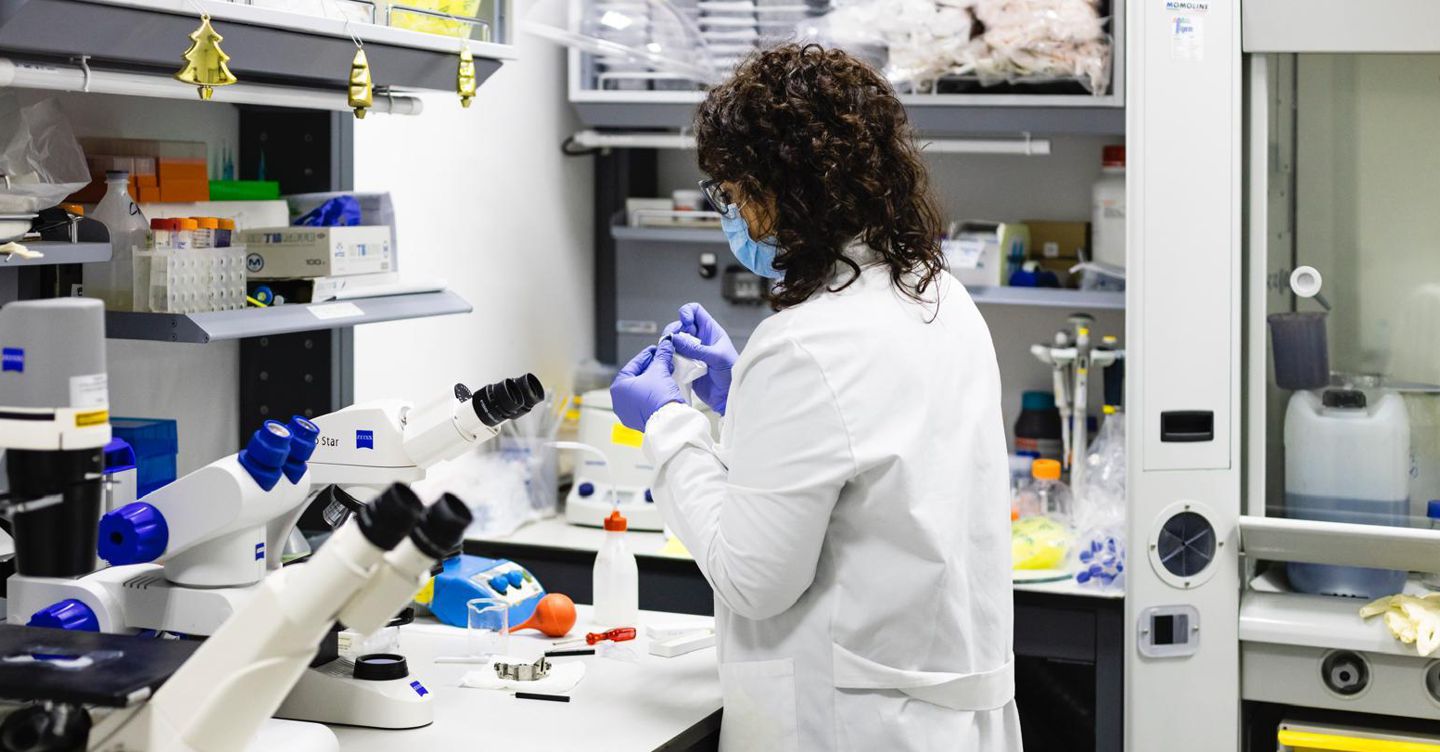
Fondazione Telethon and the San Raffaele Hospital have inaugurated new laboratories in Milan to strengthen Italy's ability to develop and produce advanced therapies for rare diseases.
The collaboration between the non profit and the hospital led to the creation of the Istituto San Raffaele-Telethon per la Terapia Genica (SR-Tiget) in 1996. This partnership has already resulted in three approved gene therapies for rare conditions, including Ada-Scid, metachromatic leukodystrophy, and Wiskott-Aldrich syndrome.
These treatments received approvals in Europe and the United States over the last decade. Fondazione Telethon used approximately 24 million euros from the Piano nazionale di ripresa e resilienza (Pnrr) to expand the Tiget facility in Milan and the Tigem institute in Pozzuoli. Ilaria Villa, the general director of Fondazione Telethon, stated that these funds expanded existing laboratory capacities rather than just covering operational costs.
The upgrades include advanced genetic editing systems, lipid nanoparticles, and artificial intelligence models to move discoveries from the lab to clinical trials. The project also involves public-private partnerships to create a national supply chain. Resources from the Pnrr supported collaborations with the Bambino Gesù Pediatric Hospital in Rome and the San Gerardo in Monza. In Monza, the Regione Lombardia added 7 million euros over five years to strengthen a public facility for producing gene and cell therapies.
These efforts aim to create a permanent infrastructure available to the healthcare system and private pharmaceutical companies.
Selected and summarized by local AI How we work