Researchers identify fossilized dinosaur blood in Brazil
Headline and summary by local AI
Researchers from Curtin University in Australia led an international team to identify fossilized dinosaur blood in a specimen found in Brazil.
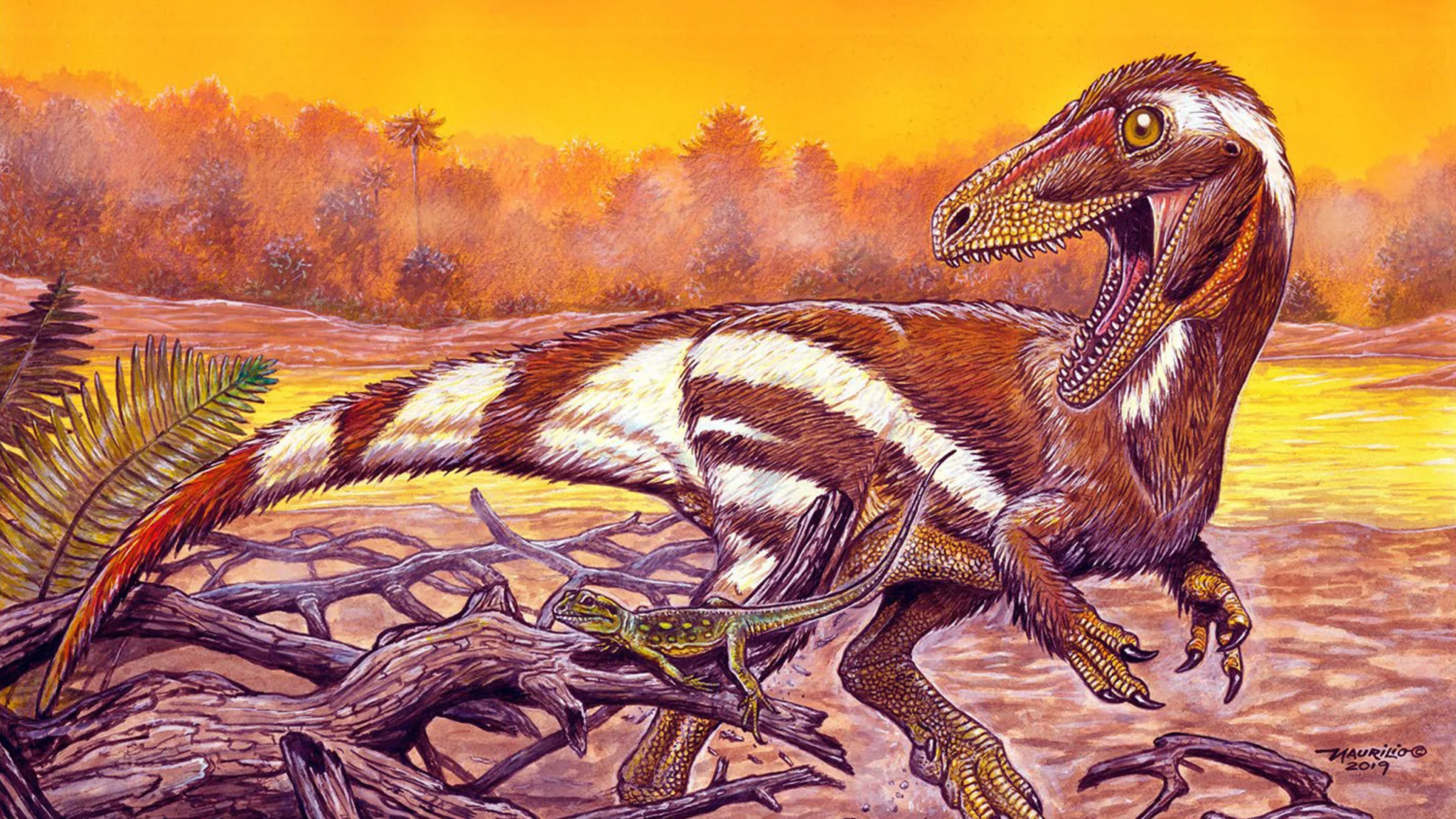
The team examined the remains of an Aratasaurus, a small teropod dinosaur that lived approximately 115 million years ago. They discovered ellipsoidal microstructures within the vascular channels of the bone that resemble blood cells and molecules associated with hemoglobin, the protein responsible for transporting oxygen in red blood cells.
The team used electron microscopy and geochemical analysis to verify the findings. They applied mass spectrometry to map the chemical elements in the fossil to ensure the structures were not caused by bacterial or fungal contamination. The analysis showed a dominance of heme B, a key molecule in hemoglobin, which differed from the surrounding rock.
The researchers also found that these structures correlated with iron, carbon, and nitrogen, while the rest of the bone consisted mainly of calcium, phosphorus, and fluorine. The fossil is the oldest known example of possible dinosaur blood cells, surpassing previous records of 80 million years. Scientists believe the specimen survived for so long because it was buried in shallow, oxygen-poor water where manganese mineralization stabilized the delicate structures before they could decompose.
While the researchers await independent verification of these results on other samples, they suggest that many existing museum specimens may hold similar molecular secrets that current technology can now reveal.
Selected and summarized by local AI How we work