Scientists discover medical potential in Java's Poison Tree
Headline and summary by local AI
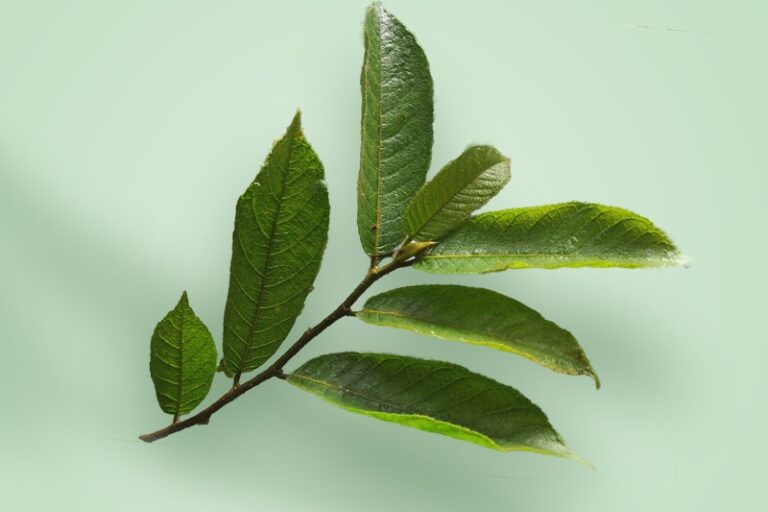
Researchers are finding that the upas tree, a plant from the island of Java in Indonesia, contains chemical compounds that may treat cancer despite its reputation as a deadly poison.
During the 18th century, European people feared the upas tree, believing it could kill all living creatures within a radius of many miles. This myth inspired art and literature, including a painting by Francis Danby and a poem by Erasmus Darwin.
Modern science has since clarified that while the tree's sap is highly toxic and can cause heart failure, the tree also serves ecological roles. Birds, bats, and monkeys eat the fruit to help spread its seeds, and the leaves can be used to treat certain diseases when applied correctly. Scientific investigation into the plant began in 1811 when Thomas Stamford Raffles asked Thomas Horsfield to study its properties.
Recent studies on human cancer cells have revealed that two specific compounds from the tree show potential for medical use. These findings shift the perspective of the upas tree from a legendary killer to a source of valuable chemical compounds for modern medicine.
Selected and summarized by local AI How we work
Discovery: Archaeology, new knowledge of art, culture and history, forgotten history uncovered, something lost restored.