Water crisis threatens Mapur people’s traditions in Indonesia
Summary and headline written by AI from the source article. How we work
The Mapur people of Bangka Island, Indonesia, are facing a water crisis caused by a prolonged drought and the loss of forested land to palm oil plantations.
Nek Aso, a 72-year-old woman from the Mapur tribe, struggled to offer guests a drink because her water supply was nearly empty. This crisis is not new, the community experienced drought in 1997, but it now arrives earlier in the dry season, before the usual rains.
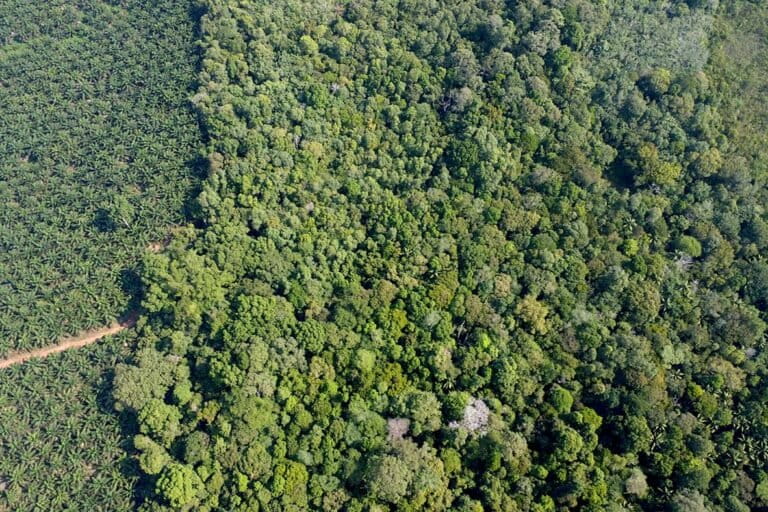
The Mapur traditionally rely on forests, particularly the 300-hectare Bukit Tuing forest, for water and resources. However, much of their ancestral land has been converted into palm oil plantations owned by companies and local people. The remaining forest areas, including the 2-hectare Bukit Tabun protected forest and the 320-hectare Gunung Cundong forest, are also under threat. Currently, the Indonesian government does not formally recognize the Mapur people’s ancestral land rights, and many Mapur people live and farm within these forests.
The prolonged dry season has caused wells to dry up and rivers to shrink, forcing people to rely on water brought from other villages. Community leaders like Abok Geboi fear that the loss of the Bukit Tuing forest will mean the loss of both their water supply and their traditional knowledge of the natural world. They are also hesitant to prepare their rice fields, as traditional land clearing by burning is now prohibited.
Experts like Jessix Amundian emphasize the importance of preserving traditional agroforestry practices, called kelekak, to maintain water sources and resilience in the face of climate change.