Woman achieves fame beyond her husband in 16th century Brassó
Summary and headline written by AI from the source article. How we work
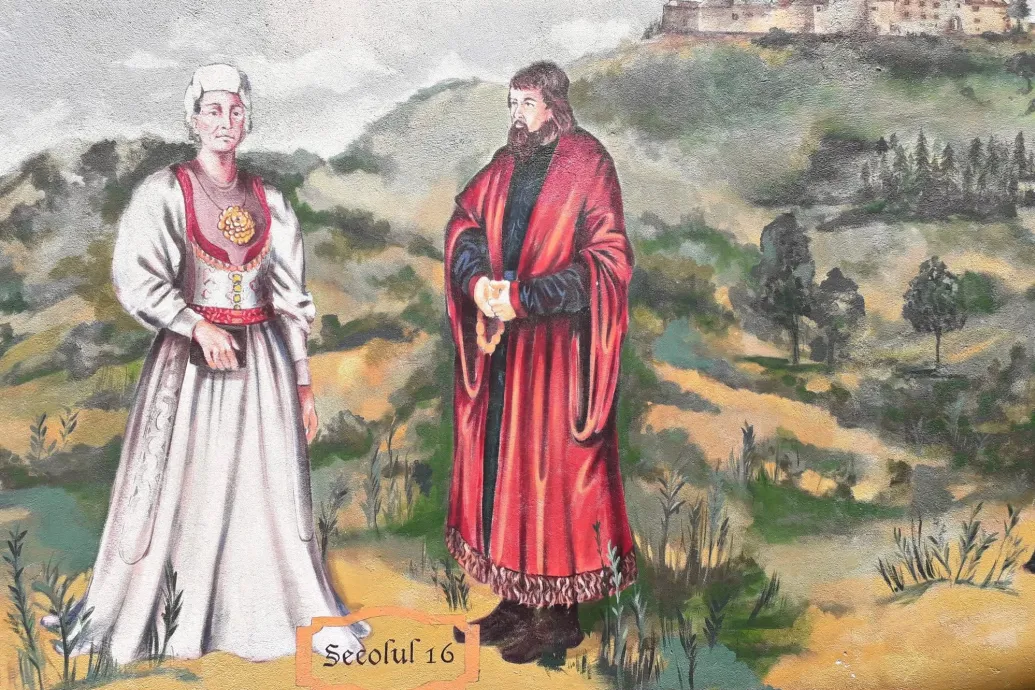
In 16th-century Brassó (now Brașov, Romania), Apollonia Hirscher gained renown that surpassed her husband’s, an unusual feat for women of the time.
Apollonia was born in Nagyszeben (now Sibiu, Romania) and inherited a substantial fortune and trade network from her husband when he died in 1541. She continued and expanded his business, dealing in goods from as far away as the Ottoman Empire.
Apollonia used her wealth to protect Brassó in 1542 when Petru Rareș, the ruler of Moldavia, invaded Transylvania. She offered 100 gold ducats and two decorated horses to the ruler in an attempt to spare the city from destruction, writing to city officials that they should be "wise as serpents, and gentle as doves." While she and other citizens collectively offered 1500 gold ducats, the surrounding villages still suffered from the invading army.
Beyond defense, Apollonia supported the Reformation and donated 200 gold ducats to the city’s poor in 1545, stipulating that the income from the donation should be used to buy wine to help them. Her most significant undertaking was the construction of the Trade House in the main square, a large building with covered shops and a city weighing scale.
Legend claims the building was financed by recovered stolen jewels from her daughter's grave, but the need for a covered market was well established. Apollonia funded the 8,000 gold ducat project, which could have purchased around 1,300 to 1,500 oxen at the time. She died in 1547, only two years after the Trade House was completed, and was remembered as a pious and charitable woman.
Today, her name appears on the building and a nearby street in Brassó, and a cultural center also bears her name.