New cat species discovered in Bolivia after a century
Summary and headline written by AI from the source article. How we work
In Bolivia, biologist Paola Nogales-Ascarrunz received a call in 2016 from an animal shelter about an unusual cat brought in by a local man.
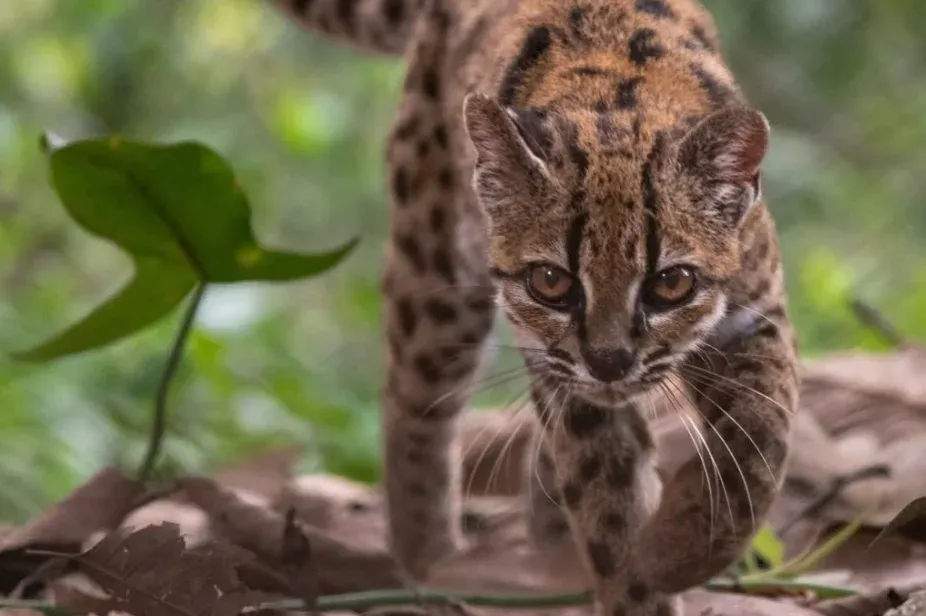
The man had initially thought the animal was a domestic cat after finding it near a forest a year earlier. Nogales-Ascarrunz immediately noticed the cat was smaller than a typical housecat, with a different facial structure, small rounded ears, and leopard-like spots on its fur.
For years, Nogales-Ascarrunz worked to develop the skills needed to examine the animal’s genome. This research culminated in a study published this week identifying the cat as a new species, named Leopardus tilcayo after the name locals use for the animal, though the name has no meaning in Spanish or the local Quechua language.
Researchers currently believe the cat lives in the Yungas, a narrow strip of forest on the eastern slopes of the Andes Mountains, but little else is known about its habits or range. This discovery marks the first new cat species identified in over a century since the striped pampas cat was found in 1923. It isn’t simply confirmation of an existing species or the reclassification of a subspecies, but the introduction of a completely unknown cat to science.
The finding could also change how researchers view the cat family, demonstrating the value of genomic analysis in uncovering hidden diversity and potentially leading to the discovery of more new species. Scientists now recognize five different species within the tigrina cat group, after previously believing there was only one.