Researchers identify dinosaur blood cell remnants in 115 million year old fossil
Headline and summary by local AI
Researchers from Curtin University identified potential traces of dinosaur blood in a fossilized bone from Brazil.
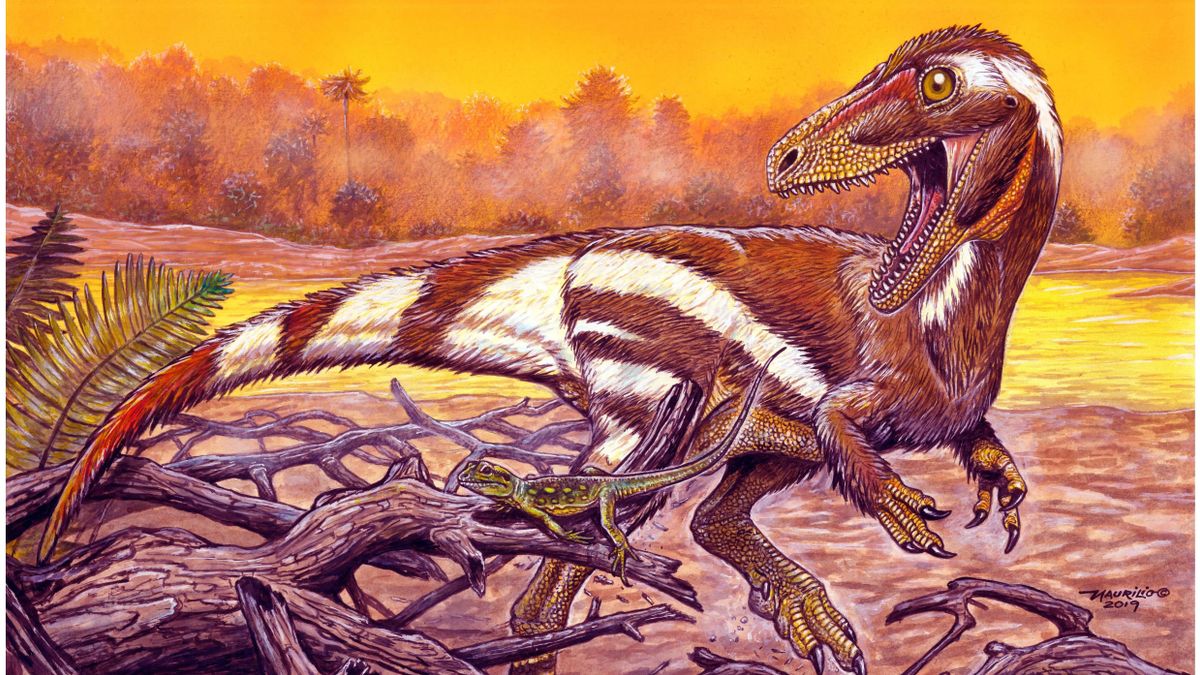
The specimen belongs to an Aratasaurus, a small predatory dinosaur that lived approximately 115 million years ago. The team discovered fossilized tracks in the animal's foot bone containing numerous ellipsoid-shaped structures that resemble red blood cells. The team conducted chemical and molecular analyses to ensure the structures were biological rather than contamination from fungi or other microorganisms.
They found no evidence of fungal filaments or spores that typically inhabit bones after death. Furthermore, the researchers identified hem B, a key molecule for oxygen transport in red blood cells, within the bone extract using mass spectrometry. The researchers believe specific environmental conditions helped preserve these delicate biological structures. The Aratasaurus remains were preserved in a shallow, nearly oxygen-free environment covered by a microbial coating.
Minerals containing manganese may have also stabilized the structures or created mineralized copies of them during the fossilization process. The team published their findings in the Proceedings of the National Academy of Sciences. If these results are confirmed, this fossil could represent the oldest known example of dinosaur red blood cells, as previous similar finds date back only about 80 million years.
The researchers plan to analyze more fossils from different geological environments and dinosaur groups to further explore the biological characteristics of ancient animals.
Selected and summarized by local AI How we work
Discovery: Archaeology, new knowledge of art, culture and history, forgotten history uncovered, something lost restored.