Hungarian National Museum rediscovers ancient Apollo statue in storage

Headline and summary by local AI
Experts at the Hungarian National Museum in Budapest identified a bronze statue of the god Apollo that had been hidden in their storage rooms for decades.
The museum staff discovered the figurine while examining a mixed collection in the Modern History Department. Because the object was incorrectly catalogued in a 1961 inventory book as a 19th-century apothecary statue, its true identity remained unknown until restorers and archaeologists performed a closer inspection.
The sculpture entered the museum collections before 1825 and was a primary piece in a permanent archaeological exhibition before the Second World War. During the chaos following the war, workers moved the statue to a different storage location and mislabeled it. This error concealed the fact that the 56-centimeter-tall bronze figure was an ancient masterpiece. Archaeologists believe the work originated from the ancient Roman settlement of Sopianae, which is modern-day Pécs in southwestern Hungary.
The statue depicts the god in a classical pose and features silver foil covering the eyes. Experts date the work to the second half of the 2nd century AD, noting that the craftsmen used a complex lost-wax technique to create the hollow casting. The museum is currently displaying the statue in Room 6 of its permanent exhibition.
Selected and summarized by local AI How we work
More in Discovery
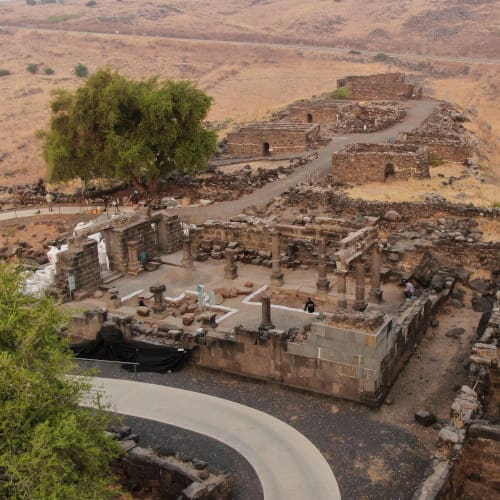
Excavations reveal ancient synagogue where Jesus preached in Chorazin
biblicalarchaeology.org · 11 Nov 2026

Researchers discover more insect species in California than previously estimated
gizmodo.com · 4 Nov 2026

Mercury from ritual pigments linked to Maya civilization sites
olhardigital.com.br · 8 Nov 2026