Medicaid meal programs face uncertainty amid funding cuts
Summary and headline written by AI from the source article. How we work
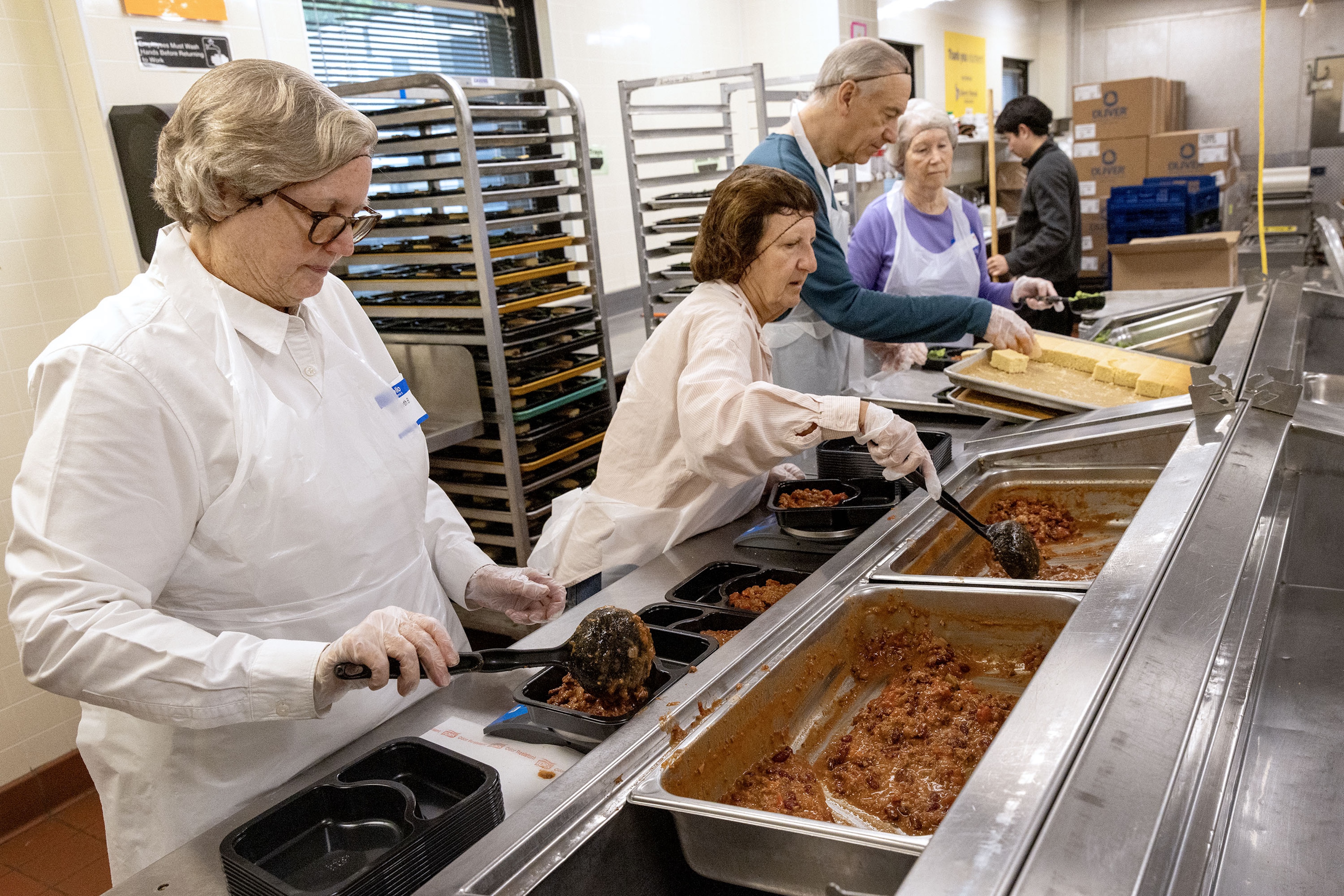
In Massachusetts and North Carolina, programs delivering medically tailored meals to Medicaid patients are threatened by potential funding cuts stemming from the 2025 One Big Beautiful Bill Act, which reduced projected Medicaid funding by over $900 billion.
Researchers at Tufts University found that 1,900 Massachusetts residents receiving these meals for at least three months experienced 20% fewer emergency department visits and 31% fewer hospitalizations compared to similar patients who did not.
These meals, costing $125 per person weekly, appeared to save money by reducing healthcare utilization for conditions like heart disease and kidney disease. Several states, including Massachusetts and North Carolina, have received federal waivers to fund these “food is medicine” programs, but the future of these waivers is uncertain under the second Trump administration. While some Trump administration officials, including Robert F.
Kennedy Jr. and Mehmet Oz, have voiced support for nutrition as a healthcare component, the administration signaled a stricter approach to evaluating the budget impacts of such initiatives and will likely review programs on a state-by-state basis. Lawmakers and researchers express concern that even with proven benefits, estimates suggest medically tailored meals could save the U.S. $13.6 billion annually and prevent 1.6 million hospitalizations, states may struggle to maintain funding.
North Carolina briefly suspended its program due to budget concerns before partially restoring funding, illustrating the challenges other states may face as they navigate federal cuts and attempt to address the rising costs of poor nutrition, which experts identify as the leading cause of poor health and preventable healthcare spending.