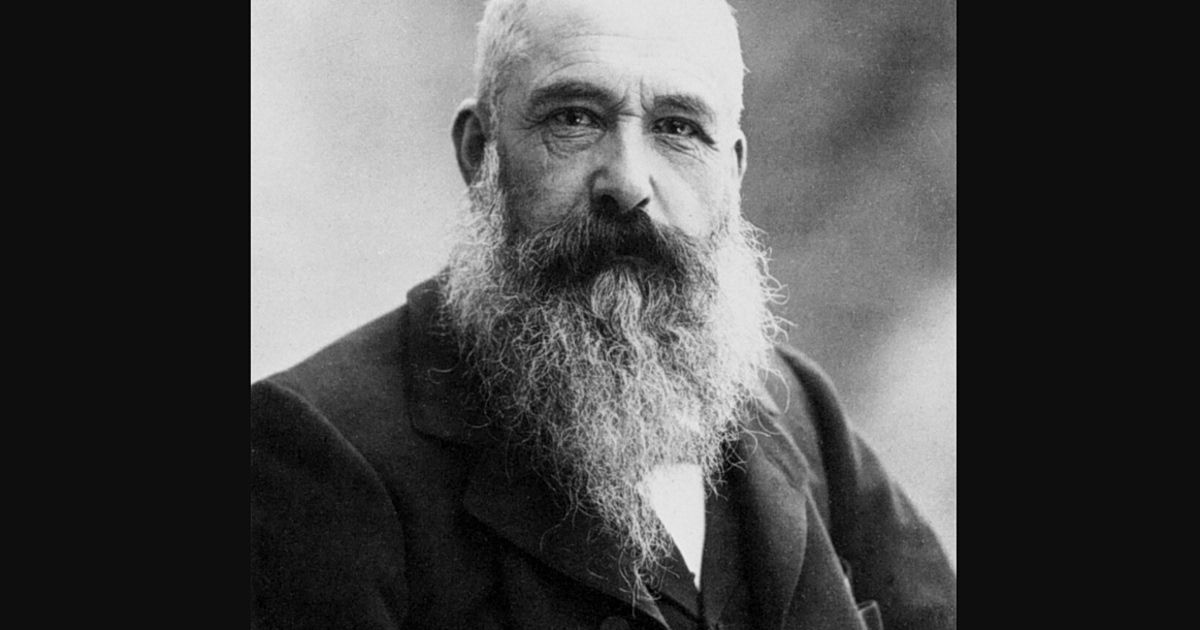
Claude Monet revolutionized painting by capturing light and atmosphere
Headline and summary by local AI
Claude Monet, a French painter, transformed modern art by establishing the Impressionist movement in France.
Born in Paris and raised in Havre, Normandy, Monet began his artistic development under the guidance of painter Eugène Bouden, who introduced him to plein air painting. Monet eventually became a central figure in Impressionism, a style that prioritized the fleeting effects of light and the atmosphere of a moment over traditional academic subjects.
The movement derived its name from Monet's painting, Impression, Sunrise, which was displayed at the first Impressionist exhibition in 1874. While Monet initially faced harsh criticism from critics who dismissed his work as a lack of skill or beauty, his reputation eventually grew. His paintings transitioned from being difficult to sell to commanding high prices on the public market. Monet remained dedicated to his craft until his death in 1926 at the age of 86.
His close friend, former French Prime Minister Georges Clemenceau, supported him throughout his career and published a book about his work in 1928. Monet is remembered for his persistence in capturing his own vision of the world, particularly through his famous Water Lilies series inspired by his garden in Giverny.
Selected and summarized by local AI How we work
Discovery: Archaeology, new knowledge of art, culture and history, forgotten history uncovered, something lost restored.