Ancient “pocket book” of Homer’s Odyssey found in Utrecht
Summary and headline written by AI from the source article. How we work
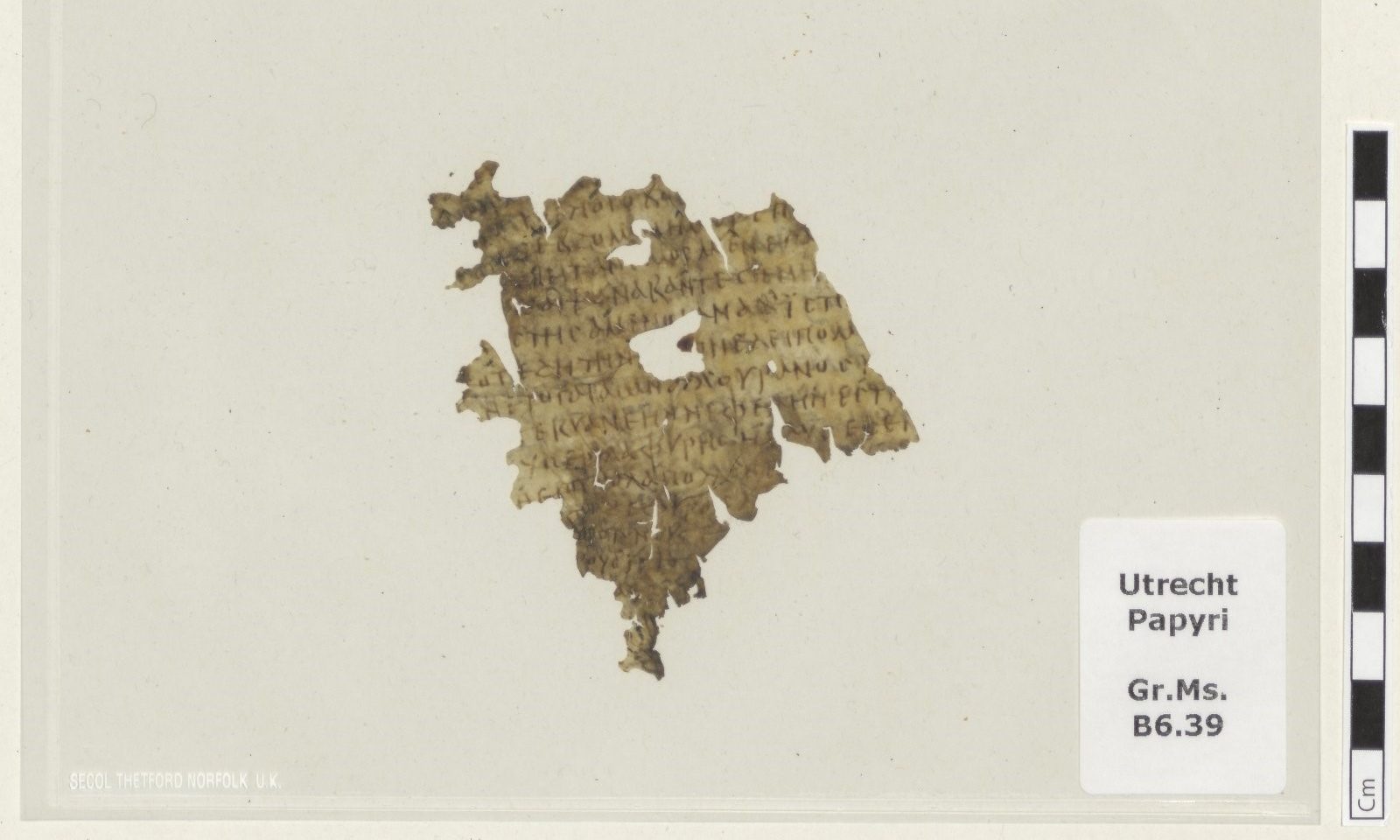
Mark de Kreij, a researcher at Radboud University, discovered a fragment of papyrus measuring 6.6 x 7.7 centimeters within the collections of Utrecht University Library in the Netherlands.
The fragment, previously dismissed as insignificant, contains lines from the 12th book of Homer’s Odyssey and dates to the 3rd or 4th century CE. This finding offers rare evidence of how popular the epic poem remained in late antiquity. The researcher identified words hinting at the Homeric epics while studying ancient manuscripts.
Further investigation revealed the fragment details a pivotal moment where Odysseus recounts how his companions slaughtered and ate the sacred cattle of the sun god Helios on the island of Thrinacia, leading to their destruction. This act triggers a storm sent by Zeus that destroys Odysseus’ ship and crew. Researchers believe the fragment came from a small, portable edition of the Odyssey, approximately the size of a modern Kindle, produced in Egypt around 300 CE.
The discovery suggests that the Odyssey circulated in easily accessible, personal copies. Its location within the manuscript, near the middle, may explain its preservation, as it was protected by the outer pages. The University of Utrecht connected the public announcement of this find to renewed global interest in the Odyssey due to Christopher Nolan’s recent film adaptation.