A 17th century manuscript suggests Galileo built advanced telescopes early
Headline and summary by local AI
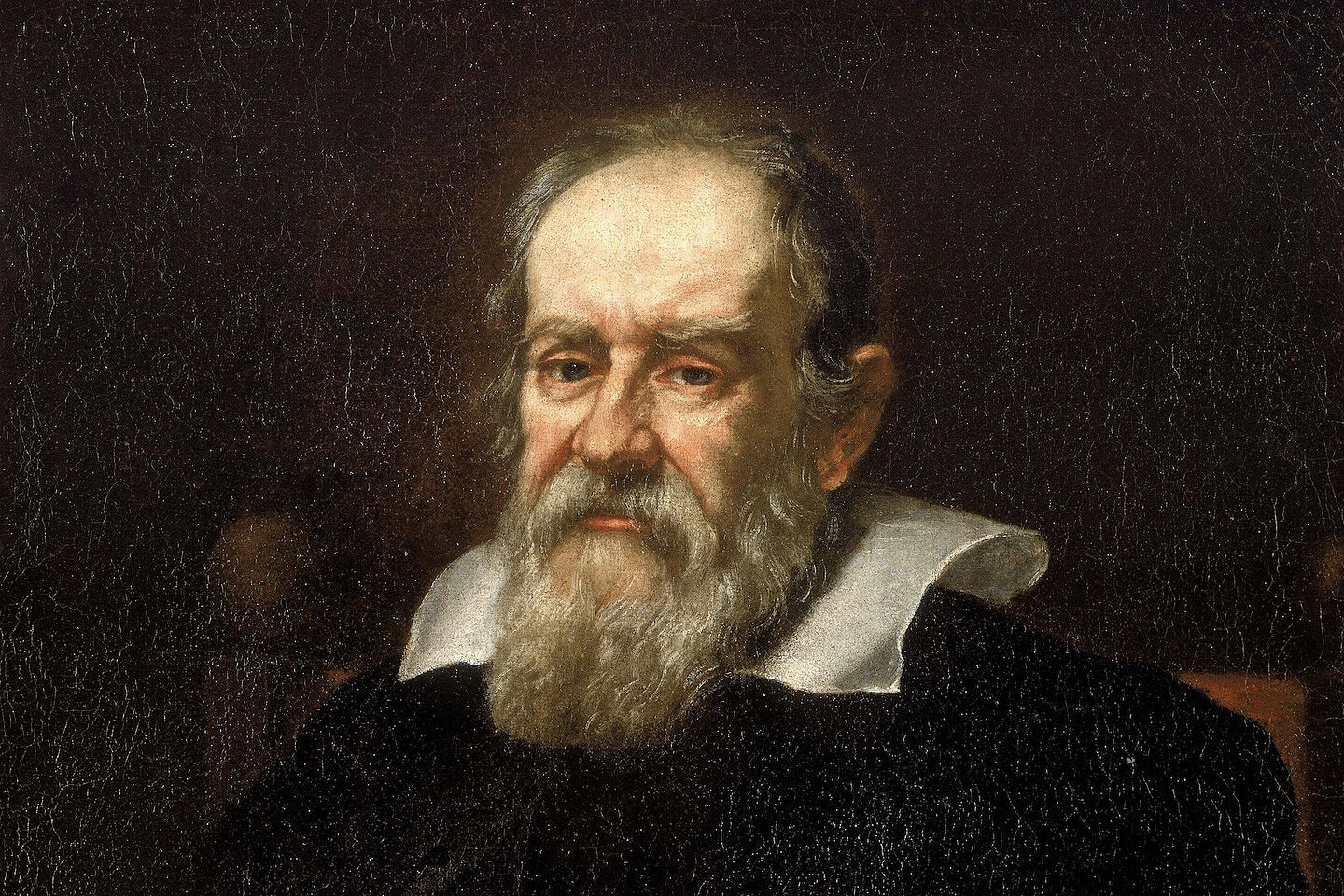
José María Moreno Madrid, a researcher at the University of Limerick in Ireland, identified a scientific text from 1666 that may change the timeline of astronomical history.
The researcher examined a manuscript titled De Tellescopiis Stellarum, written by a Dominican monk named Ignacio Muñoz. This document describes a telescope with four lenses, which Muñoz explicitly attributes to Galileo.
The manuscript provides technical details about the device, including a specific arrangement of lenses that allowed observers to see distant objects without the inverted images common in early telescopes. If Galileo did indeed build this instrument, it would mean the technological advancement of four-lens telescopes occurred at least a decade earlier than previously thought, moving the date from the 1643 to 1645 period back to at least 1630.
The document surfaced through an unusual historical narrative involving the monk and the Spanish royal court. Muñoz, who was in exile in the Portuguese Indies, sought royal support to return to Spain. To prove his knowledge, he presented a maritime innovation to King Philip IV. The Viceroy of New Spain, the Marquis of Manresa, challenged Muñoz's expertise and tasked him with examining a telescope. This interaction led to the detailed technical recording of the instrument.
Researchers note that Galileo may have offered telescopes to King Philip IV and his wife to gain royal favor, and one of these could be the device described in the text.
Selected and summarized by local AI How we work
More in Discovery
New book uses Amalia Solórzano Bravo's memoirs to reconstruct Mexican history
aristeguinoticias.com · 20 Nov 2026

Community radio stations bridge communication gaps in the Himalayas
scroll.in · 23 Nov 2026

Māori historian Aroha Harris releases book on self-narrative and history
rnz.co.nz · 20 Nov 2026