Greece lays out rules for self-sufficiency in energy
Summary and headline written by AI from the source article. How we work
Stavros Papastavrou, Greece’s Minister of Environment and Energy, signed a new framework allowing households and businesses to generate and use their own electricity.
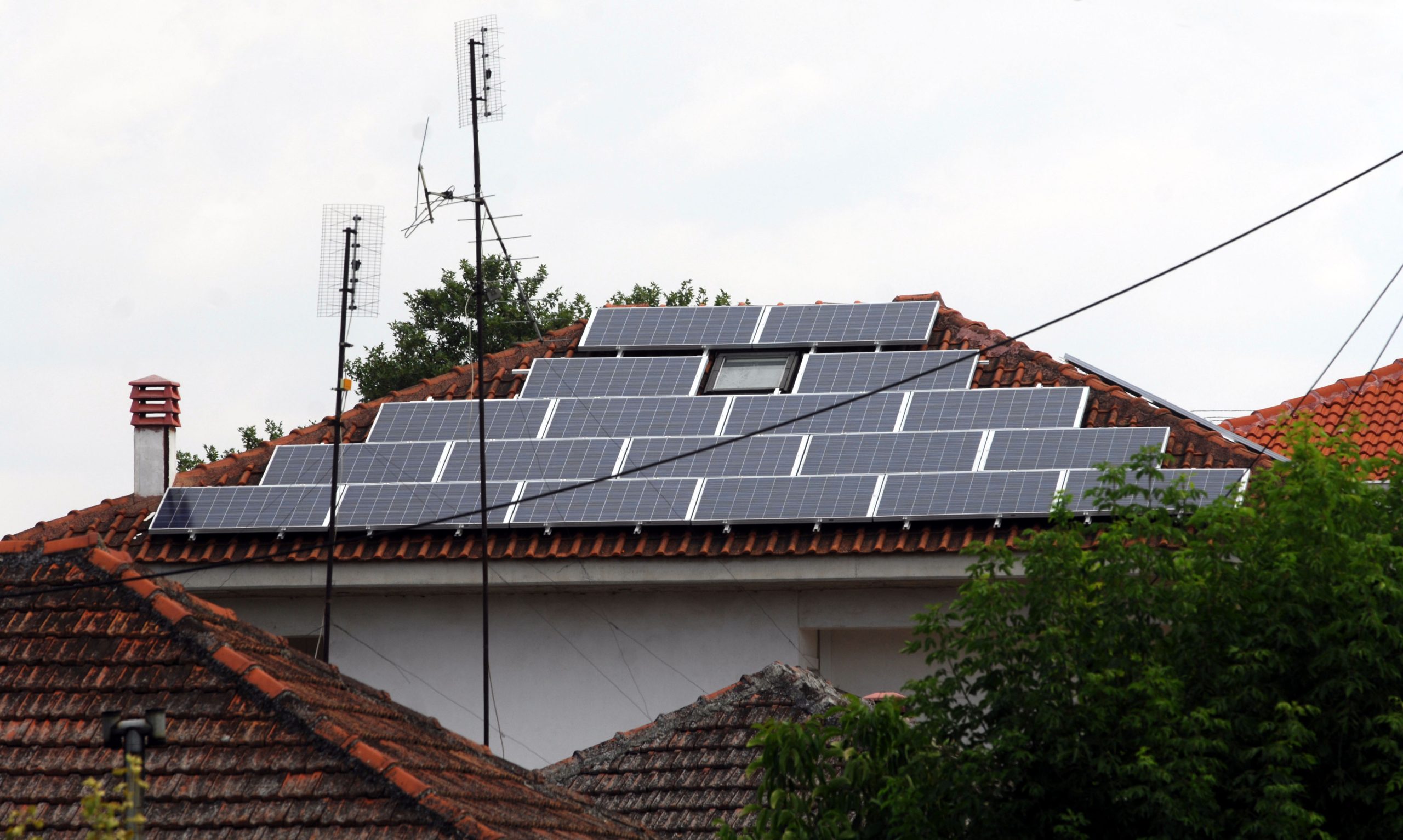
The rules cover a wide range of actors including households, businesses, local governments, and energy communities. The framework introduces the possibility of installing balcony solar panels with a maximum production capacity of 800 Watts to meet household needs. Individuals can now install standalone energy storage systems without sending surplus power back to the grid.
The new rules also establish a special process for local governments and public sector entities to implement self-consumption. Consumers may switch between different self-consumption schemes and connect a single power supply to multiple self-consumption stations, under certain conditions. Self-consumption lets people and businesses produce their own electricity, for example, with solar panels, and use it directly. Any excess energy can be fed into the grid, and the consumer will receive compensation.
If a storage system is in place, extra energy can be stored and used later when demand is higher. A simplified electronic process for installing “balcony solar panels” will be available through a special digital portal run by DEDDHE, Greece’s electricity grid operator, and is expected to launch by the end of 2026. Consumers can also install batteries to store energy from the grid and cover their needs with a streamlined approval process.
The government will prioritize reviewing applications for these systems.