Roman noblewoman linked to emperor Hadrian through ancient Albanian well
Headline and summary by local AI
Archaeologist Milena Melfi from the University of Oxford identified a 1,900-year-old Greek inscription in Butrinto, Albania, that credits a Roman noblewoman named Junia Rufina with funding public water infrastructure.
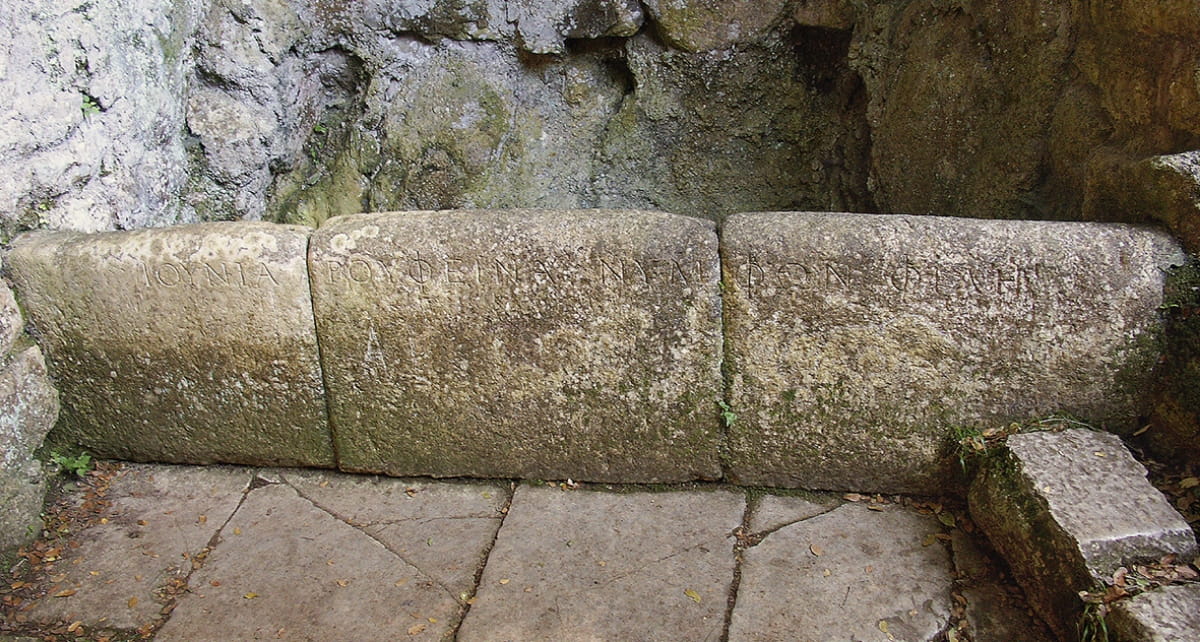
The inscription, carved into a 2.17-meter stone lintel, describes the woman as a "friend of the Nymphs." This title refers to the Nymphs, figures in ancient Greek religion associated with springs and rivers.
Melfi published her findings in the Journal of Roman Archaeology, suggesting the well was part of a major construction period in the 2nd century AD. This period may coincide with Emperor Hadrian's travels through Epirus in 132 AD. The well itself was discovered by Italian archaeologist Luigi Ugolini between 1928 and 1934. It features a vaulted brick and stone structure where residents used ropes to draw water from a natural spring.
The study suggests Junia Rufina may have been the daughter of Marcus Iunius Rufus, who served as the governor of Egypt between 94 and 98 AD. If this connection is correct, she might have been the half-sister of the poet Julia Valbilla. Melfi also considers the possibility that the woman was the wife of a Roman official who served as the legate of Macedonia.
The choice of a Greek inscription in a Roman colony suggests a connection to the pro-Greek policies of Emperor Hadrian, who founded the Panhellinion in Athens in 132 AD to strengthen ties between Greek cities. The researcher notes that similar public works funded by wealthy women appear in other parts of the empire, such as Perge in Asia Minor and Olympia.
Furthermore, a 2020 discovery of a tomb in Baelo Claudia, a Roman city in southern Spain, featured an inscription for a woman also named Junia Rufina. This similarity suggests the noblewoman may have traveled extensively across the empire, from Egypt and Greece to Spain.
Selected and summarized by local AI How we work