World Bank launches $19 billion mineral financing drive with four African nations
Summary and headline written by AI from the source article. How we work
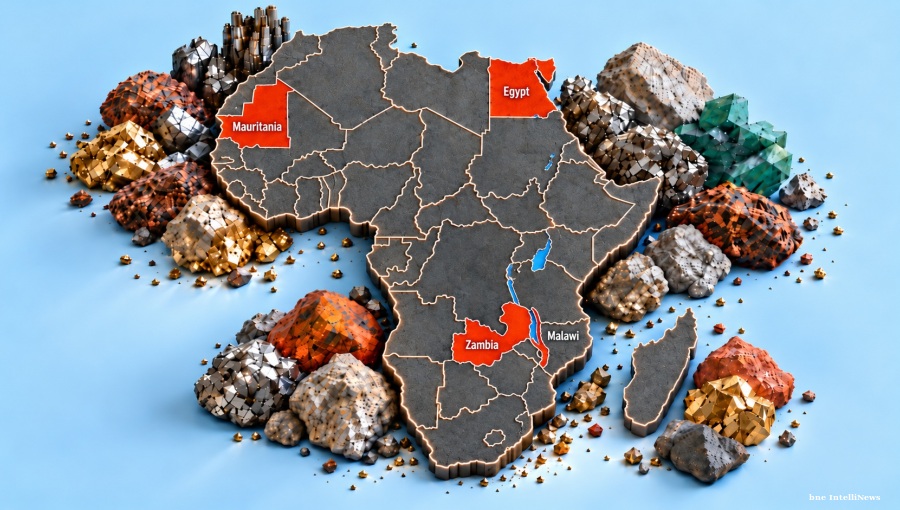
Zambia, Egypt, Malawi, and Mauritania joined Argentina, Bolivia, India, and Kazakhstan in a new World Bank Group initiative to boost investment in metals and minerals through 2030.
World Bank President Ajay Banga announced the program at the International Monetary Fund and World Bank annual meetings, targeting $19 billion in financing and private capital.
The initiative aims to help resource-rich countries like those in Africa develop their refining and manufacturing industries alongside mineral extraction, currently capturing less than 1% of the value generated by clean-energy technologies despite producing a large share of key minerals. The World Bank plans to increase its support for this sector more than fivefold, from $3.6 billion over the past five years to $19 billion in the next five years, combining its own funds with private investment.
The initial partnerships focus on identifying priorities for regulatory reform, infrastructure improvements, and investment opportunities, but do not guarantee funding. Zambia will focus on increasing copper production to 3 million tonnes annually by 2031, while Egypt aims to raise metals and minerals-related exports to $9.8 billion by 2040. The program also builds on a separate United Nations initiative focused on policy and regulatory assistance for mineral industries in Guinea, Madagascar, Nigeria, Zambia, and Zimbabwe.
The World Bank will offer policy advice, public financing, investment guarantees, and private sector investment through its International Finance Corporation and Multilateral Investment Guarantee Agency arms. This initiative comes as global competition increases for minerals crucial to electric vehicles and renewable energy, with the United States encouraging the World Bank to increase support for mineral development and supply chain diversification.