Europe adopts “sponge city” model to manage water
Summary and headline written by AI from the source article. How we work
The European Union is establishing a ‘Sponge Facility’ to support projects that mimic natural water absorption, aiming to protect cities from both droughts and floods.
Wild weather patterns are creating water challenges for European cities, with both excessive rainfall and prolonged dry periods becoming more common.
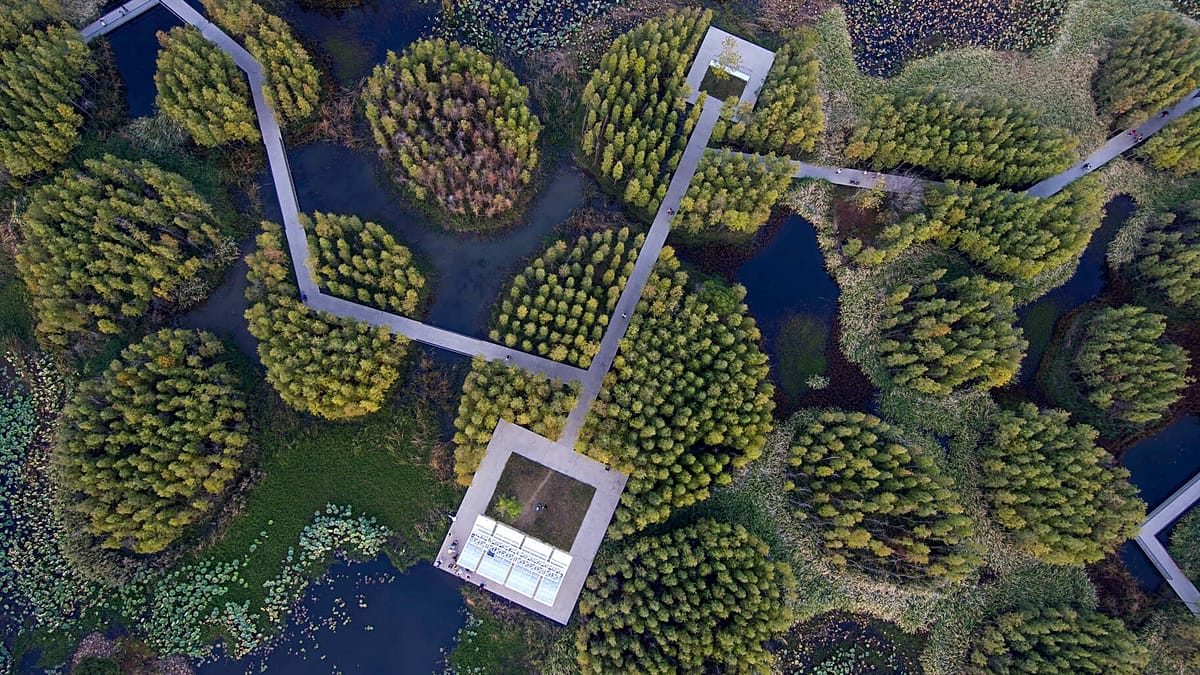
Inspired by a model first developed in China in the early 2000s by landscape architect Kongjian Yu, “sponge cities” use green spaces, permeable surfaces, and water storage to capture and reuse rainwater instead of letting it run off. China began implementing this approach after devastating floods in Beijing in 2012, launching a pilot program in 2015 involving cities like Wuhan and Xiamen, and now plans to have 80 percent of its urban areas functioning as sponge cities by 2030.
Several European cities have already experimented with similar techniques. Malmö, Sweden transformed a flood-prone neighbourhood between 1998 and 2002 with green roofs and water channels, while Rotterdam, Netherlands opened a water square in 2013 that stores up to 1.7 million litres of water during heavy rainfall.
Although implementing sponge city principles in Europe presents challenges due to historic buildings and existing infrastructure, experts like Justin Abbott of Arup emphasize the importance of prioritizing water management in urban planning, alongside conventional drainage systems and coordinated efforts between city authorities and landowners. Even with these measures, cities must still prepare for extreme rainfall events that can overwhelm absorption systems.