Bulgaria’s battery storage surges amid drought
Summary and headline written by AI from the source article. How we work
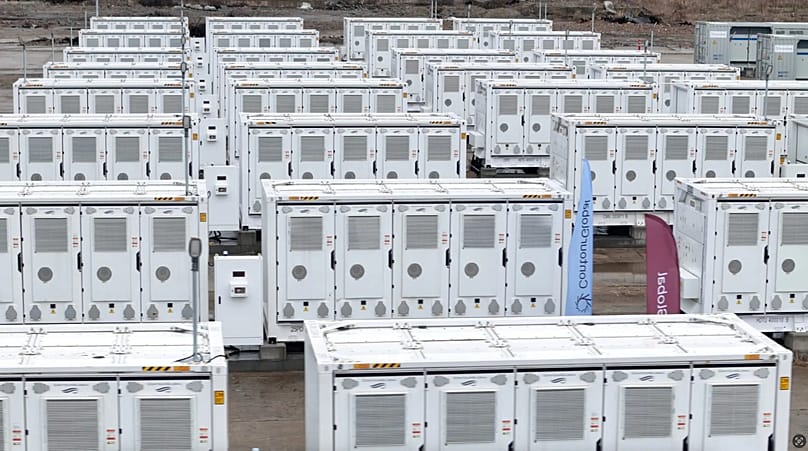
In Bulgaria, around one hundred battery energy storage system (BESS) sites are now operating, largely built over the past two years, after the country experienced a boom in installations.
Low administrative hurdles, EU funding, and a welcoming attitude toward clean energy helped Bulgaria rapidly expand its battery storage capacity alongside its growing solar power production.
This investment proved beneficial when a record drought lowered water levels in the River Danube, disrupting power generation at nuclear and hydroelectric plants across Eastern Europe. During July and August, Bulgaria exported approximately 830 gigawatt-hours of electricity monthly, more than double its usual amount, with Romania receiving nearly half of those transfers, valued at an estimated €74 million.
The country is repurposing old industrial sites, including former coal-fired plants like Maritsa East 3, to house these battery facilities, shifting away from reliance on coal. Currently, Bulgaria has around 5.7 gigawatts of operational battery-storage power, which represents nearly a quarter of its total installed power-generation capacity and exceeds the operational battery capacity of neighboring Romania fivefold.
While the expansion largely occurred due to a fortunate combination of factors rather than a deliberate strategy, experts believe Bulgaria’s success can serve as a model for other European nations pursuing energy transitions.
