Fake potatoes and farmer exodus threaten Naxos crop
Summary and headline written by AI from the source article. How we work
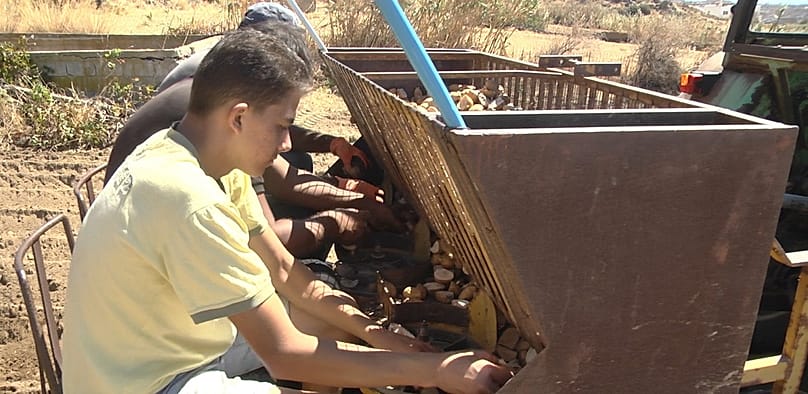
On Naxos, a Greek island in the Cyclades, farmers are struggling to maintain production of the historically important Naxos potato.
Stelios Vathrakokoilis, president of the Galanado Agricultural Cooperative, attributes the potato’s unique flavour to the island’s abundant sunshine, proximity to the sea, use of cow manure, and calcium-poor subsoil.
However, younger generations are choosing careers outside of agriculture, reducing the number of families involved in potato farming from 300 to a mere 5,000 tonnes annually, down from 15,000 tonnes in the 1980s. Vathrakokoilis also reports that some sellers are falsely labeling potatoes from other regions, and even other continents like Egypt, as Naxos potatoes to capitalise on the variety’s reputation and higher price.
While consumers can generally find authentic Naxos potatoes in supermarkets, street markets are often filled with imitations. Beyond the issue of fraudulent labeling, farmers face growing challenges from labour and water shortages. Finding legal workers is difficult, and increasing tourism combined with drought strains limited water resources, forcing farmers to purchase expensive, desalinated water. Vathrakokoilis fears a complete loss of Greek farmers within the next decade, citing unsustainable costs for fuel, fertiliser, seeds, and wages.
The Union of Agricultural Cooperatives of Naxos is working to support farmers and preserve the potato’s legacy, recently celebrating both its 100th anniversary and the annual Potato Festival.