Buddhist monks Thích Nhất Hạnh and Ajahn Buddhadasa transform religion into activism

Headline and summary by local AI
Thích Nhất Hạnh and Ajahn Buddhadasa independently transformed Buddhist practice into tools for social and ecological activism in Vietnam and Thailand.
During the mid-20th century, both monastics rejected the idea that Buddhism was a passive religion for world-denying contemplation. Instead, they looked back at early Buddhist texts to find radical ethics that could address modern problems like war, capitalism, and environmental collapse. Thích Nhất Hạnh developed the concept of Interbeing, which suggests that no person or thing exists in isolation.
He established the Order of Interbeing in Saigon in 1966 and later founded Plum Village in France. His approach focuses on nonviolent reconciliation and somatic practices like mindful breathing to heal the collective trauma caused by colonial and Cold War violence. He argues that structural change requires healing the collective consciousness of people who co-produce social institutions. Ajahn Buddhadasa took a different path by advocating for Dhammic Socialism at his forest hermitage, Suan Mokkh, in Thailand.
He stripped Thai Buddhism of rituals and superstitions to focus on the concept of Suññatā, or voidness. Buddhadasa taught that suffering comes from the illusion of the self and that liberation is available to everyone who lets go of personal ego. He used a rationalist style to encourage people to think critically about both religious orthodoxy and state authority. The work of both men merged through the activist Sulak Sivaraksa, who co-founded the International Network of Engaged Buddhists in 1989.
While Nhất Hạnh's teachings continue to influence global climate justice and racial equity movements, Buddhadasa's rationalist reforms face a decline in Thailand. Many people in Thailand now turn toward charismatic monks who offer prosperity blessings and magical amulets rather than Buddhadasa's austere intellectual demands.
Selected and summarized by local AI How we work
More in Discovery
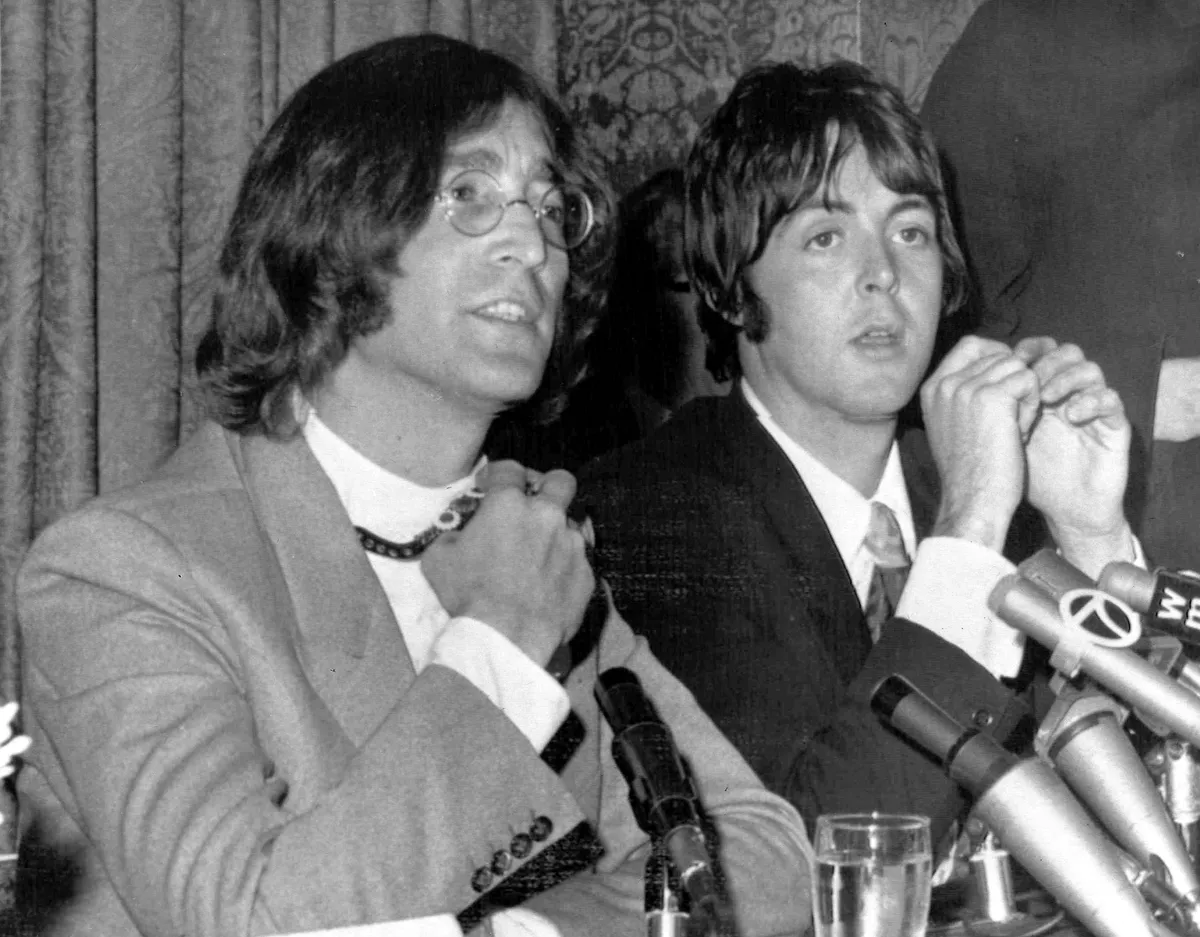
Psychologist Ian Leslie analyzes the complex relationship of Lennon and McCartney
n1info.hr · 19 Nov 2026

Exhibition uses matches to celebrate Mali empire founder at Dakar gallery
lequotidien.sn · 24 Nov 2026

Binti Gurung documents Indigenous Himalayan food heritage in Nepal
globalvoices.org · 21 Nov 2026