Infrastructure gap widens between Jammu and Kashmir and Pakistan-Occupied Jammu and Kashmir
Summary and headline written by AI from the source article. How we work
The Indian government has expanded rural water and sanitation infrastructure across Jammu and Kashmir, while Pakistan-occupied Jammu and Kashmir (PoJK) faces significant service shortages and health issues.
Since the start of the Jal Jeevan Mission in August 2019, engineers in Jammu and Kashmir have connected 9.89 lakh additional households to piped water. This initiative increased rural tap-water coverage from 29.9 percent to a projected 81.26 percent by July 2026. New Delhi provides 90 percent of the funding for these projects.
The government also achieved ODF Plus Model status for 6,650 villages, which involves building waste management systems and over 1.7 million household toilets. Nearby Ladakh also reported high connectivity, with 98.19 percent of rural homes receiving piped water. In contrast, PoJK statistics show that piped water reaches only 48.23 percent of urban residents and 69.69 percent of rural residents. Some areas face extreme shortages, such as Poonch town, where only 11.23 percent of the population has access to piped water.
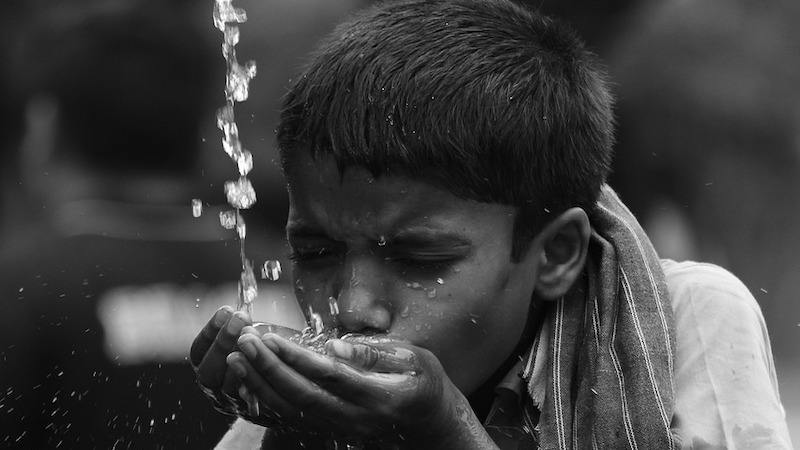
The physical planning and housing department in PoJK spent only Rs 1.02 billion on water supply for the 2024-25 period, which equates to roughly Rs 230 per resident. Poor infrastructure in PoJK correlates with high disease rates. Public health facilities in the territory treated over 218,000 cases of diarrhoea and dysentery in 2024, resulting in 54 deaths of children under the age of five.
Waste management also lags in the region; Gilgit-Baltistan generates 262 tonnes of rubbish daily but only collects 150 tonnes.