Family letters reveal Spanish Civil War from both sides
Summary and headline written by AI from the source article. How we work
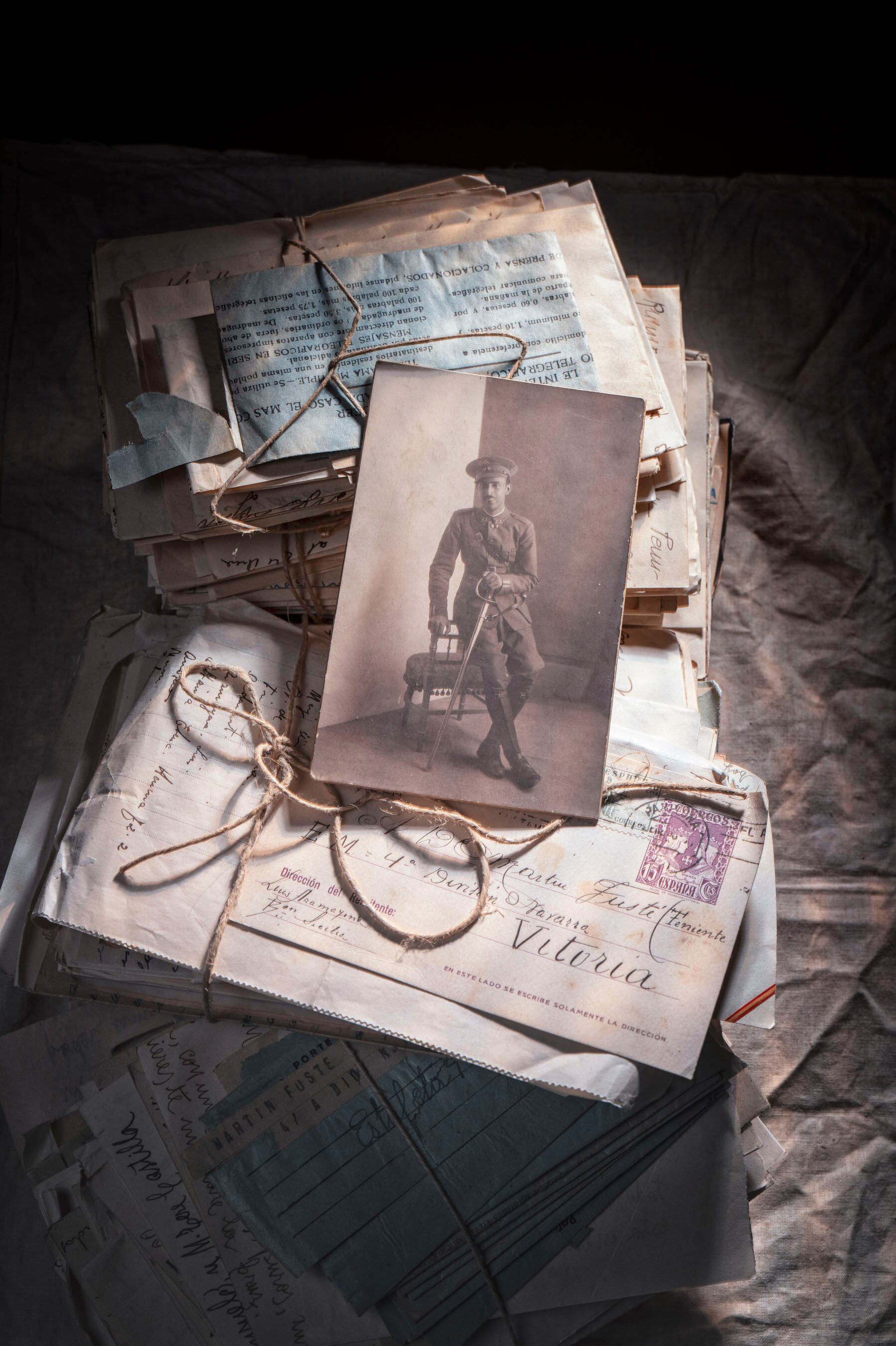
In Spain, a family’s collection of letters from the Spanish Civil War (1936-1939) illustrates the conflict’s impact on individuals and their relationships.
The letters, kept wrapped in a cloth depicting the Virgin Mary, detail experiences from both sides of the war. Olegario Fusté, a doctor, served with the Republican forces while his brothers fought for the Nationalists. Their family navigated the violence and fear, seeking survival amidst the political upheaval.
Olegario’s grandfather, Pedro, a man of mixed heritage born in Cuba, moved to Catalonia as a child and became a doctor in Vilanova i la Geltrú, a town near Barcelona. This coastal community experienced industrial growth and a diverse population before the war. As the conflict began, Olegario became a medical officer for the Republican hospital in Vilanova, while his brothers aligned with the opposing side after obtaining Cuban passports and traveling through Italy and France.
The letters reveal the hardships faced by those on both sides. Family members were killed for their political beliefs, and Olegario’s brothers sought news of his well-being while fighting on opposite fronts. In a daring move in March 1939, Olegario deserted the Republican army and crossed lines to join his brothers, hoping to secure his freedom.
He was subsequently arrested but his family, with the help of his brothers and influential figures, obtained the necessary documentation and testimonials to secure his release. Though absolved of charges, the experience left a lasting mark on the family’s collective memory.

/file/attachments/orphans/RovingRep-Madagascar-stormsMAIN_652963.jpg)