Mary Magdalene: from biblical figure to feminist icon
Summary and headline written by AI from the source article. How we work
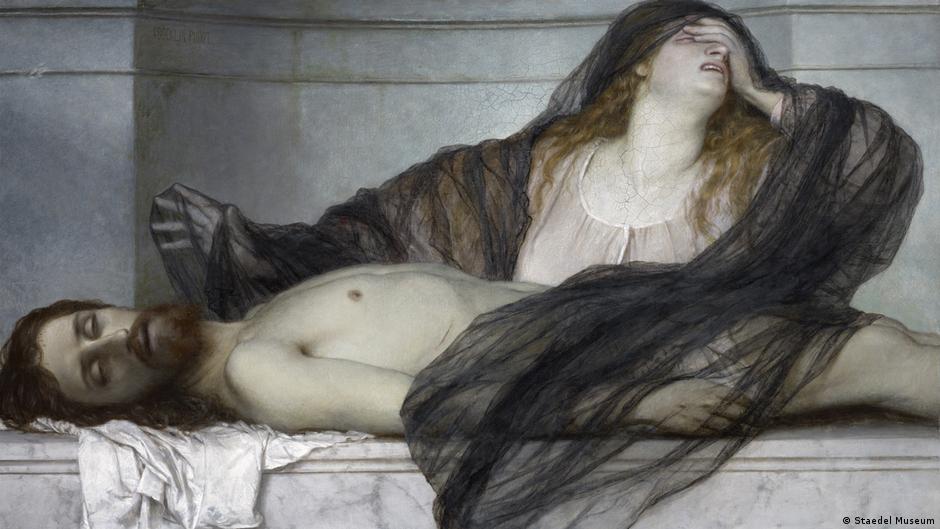
Artists and theologians throughout history have reshaped the image of Mary Magdalene, a woman described in the New Testament as a follower of Jesus.
The Gospels state Jesus freed her from seven demons and that she witnessed his crucifixion, burial, and resurrection, becoming the first to announce his return to his disciples, earning her the title “Apostle of the Apostles.” Around 600 AD, Pope Gregory the Great combined her story with those of other biblical women, falsely portraying her as a repentant prostitute, a reputation that lasted for centuries.
In the Middle Ages, legends claimed Mary Magdalene travelled to France to preach and live in solitude. Today, two towns in France, Vezelay and Saint-Maximin-la-Sainte-Baume, both claim to house her remains. The Reformation and Renaissance brought renewed interest in separating her identity from the other women with whom she’d been conflated, but the Catholic Church did not officially revoke the association until the Second Vatican Council in the 1960s.
More recently, the discovery of the Gospel of Mary, a text not included in the Bible, presented her as a close confidante of Jesus. This, combined with contemporary feminist theology, has led to her being seen as a powerful role model for women and inspired artists like Lady Gaga and Nieves Gonzalez. In 2016, Pope Francis formally elevated her status within the Catholic Church, recognizing her as equal to male apostles.